
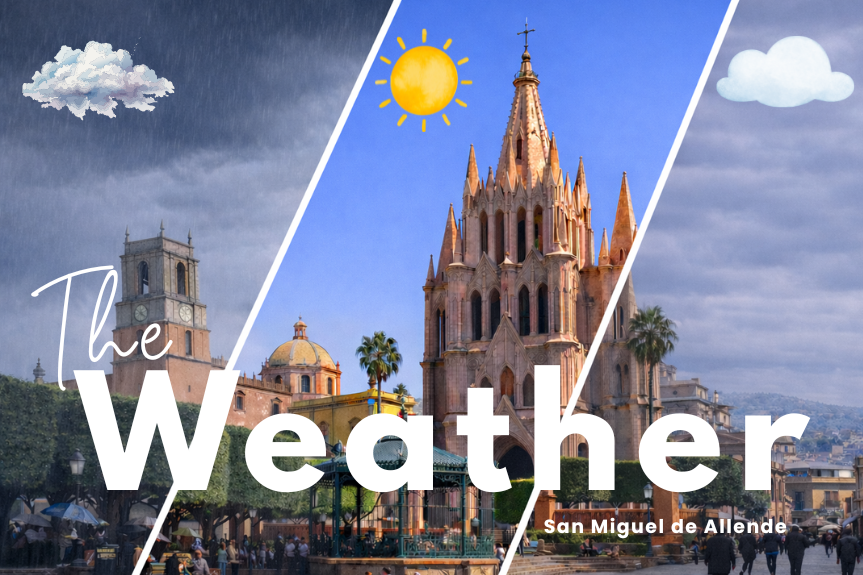
Planning a trip to San Miguel de Allende and wondering when to go? This friendly guide breaks down San Miguel de Allende weather by month, highlights the best time to visit for great weather and festivals, and shares handy packing tips for each season. San Miguel’s climate is famously mild – often called “eternal spring” – but there are distinct dry and rainy seasons to consider. Whether you’re concerned about heat, rain, or what to wear, read on to find out exactly what to expect in San Miguel de Allende’s climate and how to pack like a pro for your adventure!
San Miguel de Allende Climate Overview
San Miguel de Allende enjoys a high-desert climate at about 6,000+ feet elevation, giving it warm days and cool nights year-round. Temperatures are generally comfortable and rarely extreme – typically ranging from the low 40s °F at night to the low/mid-80s °F during the day throughout the year. Summers bring a wet season with afternoon showers, while winters are sunny and very dry. Here are a few key points about the climate:
- Dry Season (November – April): Clear, sunny skies and almost no rain. Daytime highs sit around the 70s °F, and nights can dip into the 40s °F. Humidity is low, so it feels pleasant, but you’ll want a jacket after dark. This is peak tourist season thanks to the ideal weather.
- Rainy Season (May – October): Warmer days (often 80°F+ in late spring) and a summer monsoon pattern from June through September. Expect frequent afternoon or evening thunderstorms in those months – July is the rainiest with roughly 4–5 inches of rainfall and about 10–15 rainy days. Mornings are usually clear, with clouds building later. The rain cools things down a bit; highs in mid-summer average in the upper 70s°F. It does get more humid in summer (though nothing like coastal tropics).
- Year-Round Mild Temperatures: Even at the height of summer or depth of winter, San Miguel’s temperatures stay relatively moderate. The hottest month is typically May, with average highs around 84°F (it can occasionally reach the 90s°F on rare days). The coldest month is January, but even then afternoons reach about 70–72°F, with brisk nights in the low 40s°F. Freezing temperatures or scorching heat above 90°F are uncommon.
Bottom line: The climate in San Miguel de Allende is one of its biggest perks – “eternal spring” indeed! Now, let’s dive into the month-by-month details so you can time your visit perfectly.
Month-by-Month Weather in San Miguel de Allende
To help you decide the best time to visit San Miguel de Allende, here’s a breakdown of weather month by month. We’ll cover typical temperatures (in Fahrenheit for our U.S. friends), rainfall, and any notable events.
January
The weather in San Miguel de Allende in January is mild and dry. Afternoon highs average around 70°F (21°C), while nights are quite cool, often down to 40–45°F (4–7°C). You’ll enjoy plenty of sunshine and blue skies – January sees virtually no rain (about 0.2–0.5 inches in total for the month on average). Humidity is low (~50%), so the air has a pleasant crispness. Tourism is moderately busy just after the holidays, but the city isn’t as crowded as during festivals. It’s a great month for sightseeing during the day, though you’ll need a warm jacket once the sun sets. (Tip: This is a perfect time for travelers from colder climates to escape winter – you’ll swap snow for sunny 70°F afternoons!)
Festivals & Events: Other than New Year’s festivities in the first week, January is relatively quiet in terms of major events. This means you can explore the town without the large festival crowds.
February
February in San Miguel de Allende sees a slight warm-up from January. Daytime temperatures climb into the mid-70s°F (around 75°F/24°C on average) and nights hover in the mid-40s°F. It’s still the dry season, so expect clear skies and only a couple of rainy days at most (rainfall remains very low, ~0.5 inch or less in February). The weather is ideal for walking the cobblestone streets and taking in the colorful colonial architecture. By afternoon, you might be fine in short sleeves under the warm sun, but early mornings and evenings are chilly enough for a sweater. Overall, it’s a pleasant and popular month to visit, falling in the prime winter travel season with great weather.
Festivals & Events: February brings the Día de la Candelaria (Candlemas) on Feb 2, when locals celebrate by decorating parks with flowers and plants – a charming cultural event if you catch it. Also, art and culture enthusiasts might enjoy the annual San Miguel Writers’ Conference (usually in February) which draws visitors, but this is a relatively mellow month before spring festivities kick in.
March
March marks the beginning of spring-like weather in San Miguel. It warms up to the upper 70s°F by day (around 78–80°F peak) and lows creep up to the upper 40s°F at night. You’ll still experience very dry conditions – March typically has the least rain of any month (often near zero to 0.2 inches total rainfall, with maybe 1 brief shower the whole month). The sun is strong and days are getting longer, so don’t forget your sunscreen. With fantastic weather and flowers beginning to bloom, March is gorgeous for travel. Tourist crowds may increase toward the end of the month if Easter (Semana Santa) falls in early April.
Festivals & Events: On the first Friday of March, San Miguel hosts the Día de la Conquista. This is a colorful celebration with indigenous conchero dancers in traditional Aztec-style costumes performing in the streets. It’s a unique cultural experience if you’re in town – expect music, drums, and vibrant outfits. Later in March (or early April some years), the city begins observing Semana Santa (Holy Week). If Easter is in March, the week leading up to it brings solemn but beautiful religious processions, altars, and reenactments of biblical scenes. Semana Santa is one of the most significant events of the year, drawing many visitors and transforming the city with candlelit processions and festivities.
April
April is a fantastic month in San Miguel de Allende. Daytimes are warm – average highs reach the low 80s°F (27–28°C) – and nights are comfortably cool in the low 50s°F. It’s still dry season for most of April, though toward late month you might get an odd light shower or two (total rainfall ~0.3–0.6 inches for April). Generally, you’ll enjoy lots of sun and low humidity around 30–35%, which makes the warmth very manageable. Many expats and visitors consider April one of the best times to visit due to the consistently lovely weather. Do be mindful that strong sun and 80°F afternoons call for hats, sunglasses, and water to stay hydrated.
Festivals & Events: Easter often falls in April. If you’re here during Semana Santa (dates vary year to year around late March or April), you’ll witness the city’s most famous holy processions, especially on Good Friday. The pageantry is incredible – expect ornate altars, street processions with statues of Christ and the Virgin Mary, and a very full town (book accommodations well in advance). After Easter, late April is calmer. Culturally, this is a sweet spot with great weather and post-holiday relaxation.
May
May is the warmest month in San Miguel de Allende. Summer is approaching, and average highs hit the mid-80s°F (around 84–85°F), with some days climbing near 90°F. It’s not uncommon to feel toasty midday – locals know May can bring a few hot afternoons. Nights, however, are still moderate, about 55–58°F – a refreshing drop after the daytime heat. Early May remains fairly dry, but by mid to late May you may notice the first hints of the rainy season. Expect occasional showers or thunderstorms late in the day as the month goes on. Overall rainfall is around 1–2 inches in May, usually concentrated at the very end of the month. Humidity starts to rise slightly but is still only ~40–45% on average, so it’s not overly muggy. May can be considered a shoulder season: hot weather but before the heaviest rains and still before summer vacation crowds.
Festivals & Events: Early May includes the Cinco de Mayo holiday, though in San Miguel de Allende it’s a relatively low-key day (more of a historical observance than big fiesta). One highlight in May is Labor Day (May 1) which may bring some local parades or closures. Culturally, May is a bit quieter on major festivals, making it a good time to visit if you want warm weather and fewer tourists. Just plan around the midday heat – maybe indulge in a siesta or a dip in a pool/hot spring during the hottest part of the day.
June
June ushers in the rainy season in earnest. You’ll still get warm temperatures – low 80s°F in the daytime on average – but by mid-June the pattern of afternoon thunderstorms is usually established. June’s average rainfall jumps up significantly (around 4 inches of rain during the month), so you can expect frequent showers, especially in late afternoons or evenings. Mornings are typically sunny or partly cloudy, with clouds building after 1–2 pm. Temperatures cool a bit when it rains: highs might be a tad lower (~80°F) on cloudy days, and nights stay around 57–60°F. Humidity climbs with the rainfall (60%+ on average in June), and the landscape turns green. Tourists are fewer than in winter, so you’ll find a more relaxed, local vibe in town.
Despite the wetter weather, June can still be a nice time to visit if you don’t mind adjusting your schedule – sightseeing in the morning, and maybe indoor activities (museums, galleries, long lunches) during the late afternoon rain. The storms are usually intense but short-lived. Carrying a compact umbrella or rain jacket is wise.
Festivals & Events: In late June, San Miguel celebrates St. Peter and St. Paul (San Pedro y San Pablo) with some local festivities around June 29. It’s not a huge citywide event, but you might see fireworks or hear church bells. Also worth noting, the nearby state capital Guanajuato hosts the International Film Festival in summer (often late July, with some events in San Miguel as well), so June is kind of a calm-before-the-storm month for summer events.
July
July is peak rainy season and the coolest month of summer in terms of daytime highs. The weather in San Miguel de Allende in July is a mix of warm temperatures and frequent rain. Expect highs around 75–78°F on most days, with considerable cloud cover in the afternoons. Nights remain in the mid-50s°F – pleasantly cool for sleeping. July is the rainiest month by statistics: roughly 4–5 inches of rain total and about 15 or more rain days in the month. What this means practically is many days will have a thunderstorm or shower in late afternoon or evening, while mornings can still be bright. Sometimes you’ll get consecutive days of showers. The countryside is lush now, and the gardens around town are blooming thanks to the moisture.
If you visit in July, plan for the rain: pack that umbrella and perhaps waterproof footwear for slick cobblestones. Humidity is at its highest (often 70% or more), which combined with moderate heat can make the air feel a bit sticky – a change from the arid winter. Still, when it’s not raining, the temperature is quite comfortable and the cloud cover can actually be a relief from strong sun. Crowds are relatively low, aside from domestic tourists on summer break.
Festivals & Events: July sees a fun local festival called Los Locos (The Crazy Ones) in nearby San Miguel neighborhoods (usually in mid-July). It’s essentially a big costumed parade with music and dancing – a jovial affair if you happen upon it. Additionally, the Guanajuato International Film Festival (GIFF) often occurs in late July and sometimes includes screenings or events in San Miguel de Allende, attracting film buffs. Keep an eye out for cultural events, but do keep that rain gear handy between film showings or museum stops!
August
August in San Miguel is very similar to July – it’s still the rainy summer, but rain volume tapers off slightly compared to July. You’ll get warm days in the upper 70s°F and nights around 56–58°F, basically unchanged from July. Afternoon/evening storms are common, though perhaps a bit less constant than in July (August sees around 3.5–4 inches of rain, with roughly 10–12 days of rain). The pattern remains: likely sunshine in the morning, clouds and showers after 3pm or so. The terrain is verdant, and farmers’ markets overflow with local produce during this peak growing season.
For travelers, August can be a good off-peak time – just plan around the wet afternoons. It’s a nice month to enjoy San Miguel’s indoor attractions (like its many art galleries, workshops, and cafés) when it’s pouring, and then enjoy walks in the pleasant mornings. Temperatures rarely feel too hot due to the clouds; in fact, you might find it quite comfortable and even slightly cool at night when rain brings a breeze. U.S. travelers with kids on summer vacation do come during August, but overall it’s not as busy as winter or festival times.
Festivals & Events: One of the big events to note is the San Miguel de Allende Chamber Music Festival, which often takes place in August. If you’re a music lover, check the calendar – you could catch an intimate classical concert on a rainy evening. Otherwise, August is relatively low on major fiestas. It’s a good time to experience everyday local life – perhaps join a cooking class or visit nearby hot springs like La Gruta (a warm soak is lovely if it’s raining outside!).
September
September brings a transition from the rainy season toward drier days – but it’s not over yet. Early to mid-September can still be quite rainy, with about 3–4 inches of rain in total and frequent showers continuing. By late September, rain starts to taper off. Daytime temperatures remain in the mid to upper 70s°F, and nights are creeping back into the low 50s°F by month’s end. You’ll feel the air begin to crisp up a bit more at night as autumn approaches, though humidity can still be around 65–70% early in the month.
What makes September special is its cultural significance: this is Fiestas Patrias month, celebrating Mexico’s Independence. Despite the lingering rain, San Miguel de Allende is buzzing with energy in September. The city might get crowded around mid-month, so plan accordingly. Weather-wise, pack both an umbrella and a light jacket – you’ll likely use both in one day this time of year.
Festivals & Events: Mexican Independence Day celebrations are huge here. On the night of September 15th, the town erupts in festivities for El Grito de Dolores – the reenactment of the 1810 cry for independence. The main square (El Jardín) fills with people waving flags, there are fireworks lighting up the Parroquia, and a joyful chaos everywhere. The next day (Sept 16) a patriotic parade takes place. Later in the month, around Sept 29, San Miguel throws a party for its namesake St. Michael (San Miguel) – often called La Alborada. This features pre-dawn fireworks, music, and folkloric dances to honor the Archangel Michael. If you love festivals, this is one of the best times to visit San Miguel – just be ready for some late-night celebrating (and possibly rain showers amid the fun).
October
By October, the rain finally recedes and the climate returns to that glorious eternal spring feel. Early October can still get a passing shower, but overall rainfall drops to about 1 inch or less in total. The hills are still green from the rains, but skies are much clearer. Temperatures in October are very comfortable: expect mid-70s°F during the day and around 50°F at night by late month. You’ll notice humidity going down (around 60% and falling), and more blue-sky days perfect for photography.
October is a shoulder season for tourism – after the September holiday rush and before the late-fall influx. That means you get great weather with fewer crowds for most of the month. It’s an ideal time for outdoor activities: hiking the botanical gardens, horseback riding, or simply strolling the quaint streets all day long without weather worries.
Festivals & Events: In mid-October, there’s often a Jazz & Blues Festival in San Miguel, drawing international and Mexican artists – an absolute treat if you’re a music fan. Meanwhile, towards the very end of October, preparations begin for Día de los Muertos (Day of the Dead). You’ll start seeing altars (ofrendas) being set up around town as October closes out. If you stay into early November, you’ll experience the full Day of the Dead celebrations. In short, October offers lovely calm days and the buildup to one of Mexico’s most iconic cultural events.
November
November is one of the best months to visit San Miguel de Allende. The rainy season is completely gone, leaving sunny, dry days and cool nights. Daytime highs are around 70–75°F, and nights drop into the mid-40s°F by late November. You’ll probably want a light sweater in the shade during the day and a heavier layer after dark. Rain is almost non-existent – maybe a stray sprinkle, but on average only about 0.2–0.6 inches in the whole month. The air is crisp and visibility is great (those mountain vistas really pop in November). It’s basically perfect weather for exploring – not too hot, not too cold, and reliably clear. No wonder many consider November through April as the prime time here.
Festivals & Events: November 1–2 is Día de los Muertos, and San Miguel de Allende celebrates it beautifully. The first two days of November you’ll find the town adorned with vibrant altars, marigold flowers, candles, and catrina figures, especially in the main plaza and local cemeteries. It’s a joyous yet reverent time – if you can be here for it, you’ll witness candlelight processions and people painting their faces as skulls. Later in November, the climate is tranquil. U.S. Thanksgiving week tends to bring a small wave of American visitors, but it’s still far from high season crowds. Also, cultural events like the International Jazz & Blues Festival sometimes extend into early November (dates can vary). Overall, November offers festivals + fantastic weather – a winning combo.
December
December in San Miguel de Allende is dry, sunny, and comfortably cool – a wonderful holiday escape for many travelers. Daytime temperatures hover around 70°F (21°C) and can reach the low 70s°F on clear afternoons. Once the sun sets, it gets chilly; nights average in the mid-40s°F (around 45–47°F), and occasionally can dip into the 30s on the coldest nights. Layering is key: you might be in short sleeves at lunch in the sun, but you’ll want a coat for evening strolls. Rainfall is at an annual minimum – virtually no rain in December (perhaps a brief sprinkle once in a blue moon; statistically only ~0.1–0.2 inches total). The air is dry (~45–50% humidity) and the skies are mostly clear, offering plenty of sunshine during the ~11 hours of daylight.
Festivals & Events: December is a festive month! In early December, you have celebrations for Dia de la Virgen de Guadalupe on the 12th, when churches hold events and fireworks honor Mexico’s patron saint. As Christmas approaches, the city sparkles with las posadas – nightly processions reenacting Mary and Joseph’s search for shelter, from December 16th up to Christmas Eve. The town is decorated with lights and nativity scenes. On Christmas and New Year’s, expect lively markets, carolers, and fireworks at midnight on Dec 31. It’s a high season for tourism (both Mexican and international travelers flock here for the holidays), so the city is bustling and joyous. Just remember to book accommodations well ahead for late December. If you visit during this time, you’ll enjoy the magical ambiance of San Miguel de Allende during the holidays – sunny days and festive nights!
Best Time to Visit San Miguel de Allende
So, when is the best time to visit San Miguel de Allende? It really depends on your priorities, but November through April is often cited as the sweet spot. During these months, you’ll get ideal weather – warm, dry days and cool, crisp nights – nearly every day is great for sightseeing. In particular, late fall (Nov) and winter (Dec–Feb) have comfortable temperatures in the 70s°F and almost no rain, which U.S. travelers find perfect for escaping cold winters back home. Early spring (March and April) remains lovely as well, with slightly warmer temps and still very little rain. These months are also packed with cultural events like Day of the Dead (Nov 1–2), Christmas/New Year’s festivities, and Easter week, which can make your visit extra special – albeit busier.
If your goal is to experience San Miguel’s famous festivals, consider timing your trip for those events: for example, Semana Santa (Holy Week) in late March or April for stunning religious processions, mid-September for the Independence Day celebrations and San Miguel’s own fiesta, or early November for Day of the Dead memorials. These are some of the best times to visit in terms of cultural richness. Just be prepared for larger crowds and make reservations well in advance.
On the flip side, if you prefer fewer tourists and don’t mind a bit of rain or heat, the off-peak months can be rewarding too. May gets hot (mid-80s°F and strong sun) – not ideal for everyone, but it’s still dry early in the month and you’ll have more of the town to yourself (just take midday breaks if needed). July and August bring frequent rains and humidity, which can put a damper on some activities – if you’re not a fan of dodging thunderstorms, that might be a time to avoid. However, even in summer, mornings are usually clear, and the scenery is lush green; plus lodging prices can be lower. Some travelers actually enjoy the rainy season for its calm and the dramatic afternoon skies, as long as they come prepared.
Overall Best Time: For most visitors – especially first-timers from the U.S. – late October through early April would be the top recommendation. You’ll hit the prime weather window, and you can catch amazing events like Day of the Dead or the holiday season if you plan it right. During this period, you won’t have to worry about heavy rain or extreme heat, and every day is a good day to wander San Miguel’s beautiful streets.
Times to Be Cautious: If you have flexibility, you might avoid the height of the rainy season (approximately late June through August) when outdoor plans are more likely to get interrupted by downpours. Also, if you really dislike hot weather, late April and May might be less comfortable due to the heat peaking (it’s dry heat, but 85–90°F under intense sun can slow you down). That said, there is truly no bad time to visit San Miguel de Allende – each season has its charm, as long as you come prepared for the conditions.
Packing Tips for San Miguel de Allende by Season
Now that you know what weather to expect, let’s talk about what to pack! San Miguel de Allende is a casual, walkable town, and the key to packing is to dress in layers. Because of the daily swing from warm midday to cool night, you’ll want options to add or remove layers. Also, the sun at high altitude is strong, and the streets are cobbled and hilly – so sun protection and comfy shoes are musts. Here are seasonal packing tips to help you be prepared and comfortable:
- Year-Round Essentials (All Seasons):
- Comfortable Walking Shoes: Pack your favorite broken-in sneakers, flats or boots with good tread. San Miguel’s charm is in exploring on foot, but remember the cobblestone streets, narrow sidewalks, and occasional steep hills. Sturdy shoes (with rubber soles for grip) will save your feet – leave the flimsy flip-flops or stiletto heels at home.
- Sun Protection: At over 6,000 feet elevation, the UV rays are stronger. Bring a wide-brimmed hat or cap, sunglasses, and sunscreen (and reapply it often, even on cooler days). The sun shines bright most of the year, and you can get a sunburn in March as easily as in July.
- Daypack or Tote: Carry a lightweight backpack or tote bag to hold layers you shed or put on throughout the day, plus a water bottle. It’s great for stashing your sweater when the sun is out, then having it handy for evening. Also useful if you go on day trips (like to hot springs or nearby towns).
- Comfortable Walking Shoes: Pack your favorite broken-in sneakers, flats or boots with good tread. San Miguel’s charm is in exploring on foot, but remember the cobblestone streets, narrow sidewalks, and occasional steep hills. Sturdy shoes (with rubber soles for grip) will save your feet – leave the flimsy flip-flops or stiletto heels at home.
- Winter (Dec – Feb):
Weather: Sunny days in the 60s–70s°F, nights in the 40s°F, very dry.
What to Pack:- Warm Jacket or Coat for Evenings: Since nights can drop to the low/mid-40s°F, bring a warm layer. A medium-weight jacket, fleece, or even a packable down jacket will serve you well for walking to dinner on chilly nights. Don’t be fooled by the balmy afternoons – once the sun goes down it gets cold quickly.
- Layers for Daytime: Mornings start out cool, so you might begin with a light sweater or long-sleeve shirt, which you can peel off by noon. Think T-shirts or blouses under a cardigan or hoodie. By afternoon, you might be fine in short sleeves. Jeans or long pants are comfortable for day and night this time of year (you likely won’t need shorts in winter).
- Closed-toe Shoes and Socks: In winter, you’ll appreciate socks or closed shoes at night to keep your feet warm. During the day, sneakers or ankle boots are perfect.
- Accessories: Consider a scarf and maybe a beanie or ear warmers for evenings, especially in December/January. Locals bundle up at night, and you’ll be glad to have a scarf when sitting at an open-air rooftop bar after sunset! Gloves aren’t usually needed, but if you get cold easily, pack a lightweight pair just in case.
- Warm Jacket or Coat for Evenings: Since nights can drop to the low/mid-40s°F, bring a warm layer. A medium-weight jacket, fleece, or even a packable down jacket will serve you well for walking to dinner on chilly nights. Don’t be fooled by the balmy afternoons – once the sun goes down it gets cold quickly.
- Spring (Mar – May):
Weather: Warming up – days in the 75–85°F range, nights 50–60°F; dry until late May.
What to Pack:- Light Layers & Versatile Pieces: Spring can feel warm by day, so pack short-sleeve tops, breathable shirts, and maybe a pair of shorts or a skirt for hot afternoons (especially in May). However, because nights and early mornings are still cool, include a light jacket or spring sweater. A denim jacket or thin cardigan you can throw on in the evenings works well. You’ll be doing a lot of layering up and down as temperatures change from day to night.
- Sun Gear: The spring sun is strong. Definitely have a hat, sunglasses, and sunscreen in your bag. Also consider a lightweight travel umbrella – not for rain, but as portable shade or in case an odd shower pops up in late May.
- Comfortable Bottoms: Pack your comfiest walking pants, capris, or long skirts. During March-April, long pants are fine all day. By May, you might want one pair of shorts for midday heat, but many locals still wear long pants year-round. Linen or light cotton pants can be a good compromise to stay cool but covered (and they transition from day to night easily).
- Evening Attire: For going out at night, you might wear the same jacket or sweater from winter. Ladies might want a pashmina or shawl that doubles as an accessory and a wrap for cool evenings. Guys, a light sweater or casual blazer over a shirt is usually enough in spring evenings.
- Light Layers & Versatile Pieces: Spring can feel warm by day, so pack short-sleeve tops, breathable shirts, and maybe a pair of shorts or a skirt for hot afternoons (especially in May). However, because nights and early mornings are still cool, include a light jacket or spring sweater. A denim jacket or thin cardigan you can throw on in the evenings works well. You’ll be doing a lot of layering up and down as temperatures change from day to night.
- Summer (Jun – Aug):
Weather: Warm (75–80°F) and rainy afternoons/evenings; high humidity relative to other seasons; nights ~55–60°F.
What to Pack:- Rain Gear: A compact umbrella or a light rain jacket with hood is essential. You’ll likely encounter downpours or steady rain most afternoons. A travel poncho can work too. If you have room, water-resistant footwear or quick-drying shoes are great (think sneakers that can get wet or sturdy sandals). Walking in soggy leather flats on wet cobblestones isn’t fun – trust us!
- Quick-Dry Clothing: Choose fabrics that dry quickly and breathe. For example, pack some synthetic or athletic shirts, and lightweight pants that won’t stay soaked if you get caught in the rain. Hint: Wear dark colors or prints on rainy days to hide any rain spots. A packable hat that tolerates rain can also keep you dry without needing to always hold an umbrella.
- Bug Spray: Mosquitos aren’t a massive issue in San Miguel’s high altitude, but right after rains there can be some. If you’ll be out in the evenings (especially near greenery or water), a bit of insect repellent is a good idea in summer months.
- Light Layers: Even though it’s the warmest, most humid time, nights can still feel cool after a storm. So toss in a light sweater or hoodie for nights. During the day, you’ll mostly live in short sleeves or even tank tops (tourists dress casually), plus perhaps shorts or a breezy skirt on the hottest afternoons. But because of the strong sun before the rain, covering up with a thin long-sleeve can actually be protective and cooling. Balance is key.
- Footwear: If you have waterproof or quick-dry hiking sandals (and are okay with your feet getting wet), those can be handy for daytime. Otherwise, bring an extra pair of shoes so you can rotate if one pair gets soaked. Pro tip: Many streets get puddles – so it’s not a bad idea to carry a spare pair of socks in your daypack in case your feet get wet unexpectedly.
- Rain Gear: A compact umbrella or a light rain jacket with hood is essential. You’ll likely encounter downpours or steady rain most afternoons. A travel poncho can work too. If you have room, water-resistant footwear or quick-drying shoes are great (think sneakers that can get wet or sturdy sandals). Walking in soggy leather flats on wet cobblestones isn’t fun – trust us!
- Fall (Sep – Nov):
Weather: Transition from rainy to dry – September still has showers, October/November are dry. Temperatures moderate: 70s°F down to 60s°F by Nov days; nights from mid-50s°F (Sept) to mid-40s°F (Nov).
What to Pack:- Early Fall (Sept): Similar to summer packing – bring the umbrella/rain jacket for those lingering rains in September. You’ll also want a mix of warm-weather clothes and a couple of longer sleeves. It can still be shorts-and-T-shirt weather at midday in September, but also carry a light rain layer. By the end of September, you might start needing a light jacket at night again.
- Layer Up for Late Fall: In October and especially November, we’re back to big temperature swings. Pack layers, layers, layers. For daytime in Oct, a T-shirt plus a light jacket for morning/evening is fine. By November, add a sweater or thicker jacket for night (similar to winter packing). You won’t see rain in late fall, so you can leave heavy-duty rain gear behind by then. Instead, focus on cozy layers – think flannels, cardigans, or a fleece for evenings.
- Fiesta Finery: Fall has major festivals (Independence in Sept, Day of Dead in Nov). If you’re visiting during these, you might want to pack one nicer outfit or at least some colorful clothing to join the fun. For example, people often wear traditional embroidered blouses or red-white-green colors around Independence Day. For Day of the Dead, some travelers bring their own face paint or accessories, but you can also buy those locally. Not a requirement by any means, but joining local traditions can enrich your experience.
- Shoes: By autumn, any rain is minimal (after Sept), so regular walking shoes are fine. Boots or closed shoes are great in Nov as things get cooler. If you have a comfortable pair of boots that look good with jeans, that’s perfect for both daytime exploring and nights out in October/November.
- Early Fall (Sept): Similar to summer packing – bring the umbrella/rain jacket for those lingering rains in September. You’ll also want a mix of warm-weather clothes and a couple of longer sleeves. It can still be shorts-and-T-shirt weather at midday in September, but also carry a light rain layer. By the end of September, you might start needing a light jacket at night again.
Finally, a quick note on cultural respect: San Miguel de Allende is fairly cosmopolitan and you’ll see a range of attire (from casual shorts to elegant dresses). Generally, smart casual is the norm. Pack clothes you can mix and match and that are respectful in churches (have something to cover shoulders, no extremely short shorts, etc., if you plan to enter religious sites). But don’t stress too much – the vibe is relaxed and tourist-friendly.
With these packing tips and an understanding of San Miguel’s weather by month, you’ll be well prepared. Whether you’re strolling the sunny Jardín in January or dancing in the rain at a summer festival, you’ll have the right gear and clothing to fully enjoy this magical city. ¡Buen viaje!

Join The Discussion