


Beyond the Postcard: Your Insider’s Guide to San Miguel
You’re probably in one of two situations right now. You’re planning a trip and want more than the usual loop of church photos, rooftop cocktails, and souvenir shopping. Or you’ve visited before, felt the pull of the city, and now you’re asking a more serious question: what does life in San Miguel de Allende feel like once the weekend visitors leave?
That’s the right question to ask. San Miguel is a UNESCO World Heritage city with a resident population of 174,615 recorded in the Data México profile for San Miguel de Allende. It’s large enough to support real daily life, not just tourism, but still compact enough that neighborhood rhythm matters. A street can feel festive at lunch, loud at dinner, and calm again by early morning. If you’re thinking beyond a quick stay, those shifts matter as much as the landmarks.
This city also rewards timing. The dry season typically runs from November to April according to Data México’s local profile, and that changes how you should plan your days, especially in a place where many headline attractions involve walking, hills, and exposure to sun. Mainstream guides often focus on what’s photogenic. They spend less time on what’s comfortable, sustainable, and livable for a longer stay. That gap matters if you’re traveling with older family members, testing a relocation, or trying to enjoy the city without fighting the crowds.
So this guide keeps the list practical. Each idea doubles as a way to understand a different side of San Miguel’s lifestyle, from Centro’s intensity to the quieter residential feel of San Antonio and the structured routine of gated communities. If you’re deciding what to do in San Miguel de Allende, use these experiences as neighborhood reconnaissance as much as sightseeing.
Table of Contents
- 1. Explore the Historic Centro and Colonial Architecture
- 2. Visit Art Galleries and Cultural Institutions
- 3. Dine at Restaurants and Experience Culinary Excellence
- 4. Attend Festivals and Community Events
- 5. Explore Surrounding Pueblos Mágicos and Natural Areas
- 6. Participate in Wellness, Yoga, and Spiritual Activities
- 7. Learn Spanish and Engage with Language Programs
- 8. Golf, Tennis, and Country Club Amenities
- 9. Volunteer and Community Service Engagement
- 10. Visit Nearby Thermal Springs and Spa Retreats
- Top 10 Activities in San Miguel de Allende, Comparison
- Crafting Your San Miguel de Allende Lifestyle
1. Explore the Historic Centro and Colonial Architecture
The fastest way to understand San Miguel is to walk Centro without rushing. The UNESCO core holds the image that typically comes to mind before arrival: stone façades, internal courtyards, church bells, rooftop terraces, and the Parroquia rising above the grid.
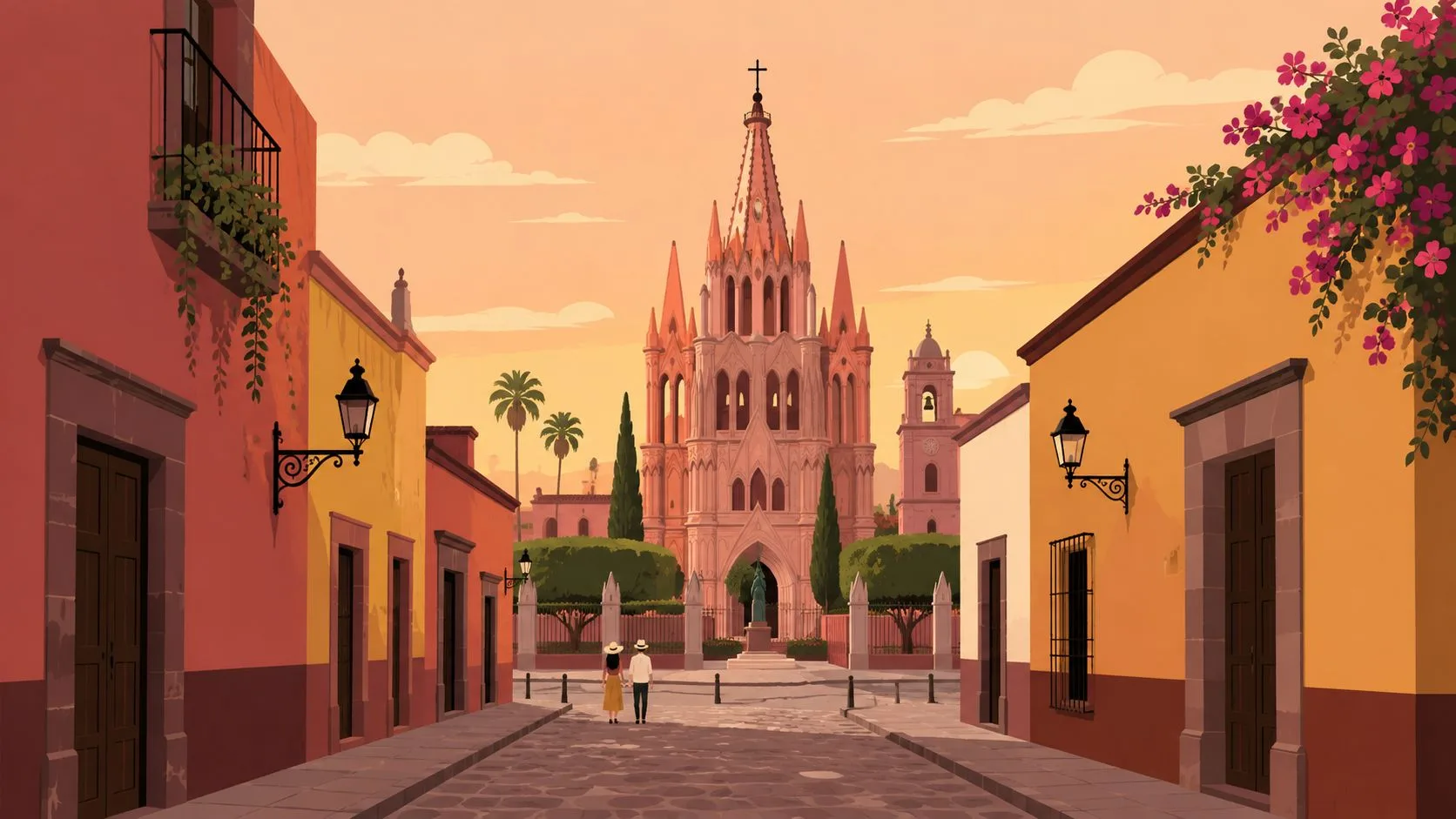
If you’re looking up Centro neighborhoods and properties, don’t make the mistake of judging the area from one pass through El Jardín. Centro has micro-zones. One block can feel polished and social. Two turns later, the pace slows down and the street feels residential.
Walk it like a resident, not a day-tripper
Go early in the morning once, late afternoon once, and after dinner once. That’s how you catch the trade-off that matters most in Centro: convenience versus noise. Being close to the main plaza is useful if you want to walk to galleries, cafés, churches, and dinner. It’s less appealing if you’re sensitive to music, foot traffic, or church activity.
Cobblestones are beautiful and tiring. Hills are charming and inconvenient. Those two truths can exist at the same time.
Practical rule: If a stay in Centro is part of a scouting trip, test your route home at night on foot. The walk back tells you more than the listing photos do.
Use Centro to test your tolerance for convenience
Centro makes a lot of things easy. It also asks more from your body and your patience than flatter, quieter neighborhoods do. If you’re traveling with older relatives or you’re comparing where to live long term, pay attention to benches, shade, stairs, curb height, and the number of times you reach for a car or ride.
Later in your planning, it helps to see the streets in motion before deciding what to do in San Miguel de Allende each day. This short clip gives a better sense of how the historic core breathes.
People who love Centro usually accept that they’re trading quiet for immediacy. People who leave it usually aren’t rejecting beauty. They just want a gentler daily rhythm.
2. Visit Art Galleries and Cultural Institutions
San Miguel’s art scene isn’t a side attraction. It’s one of the clearest reasons people return, stay longer, or relocate. You can feel that in the density of galleries, workshops, design stores, and institutions that create repeat cultural life rather than one-off sightseeing.
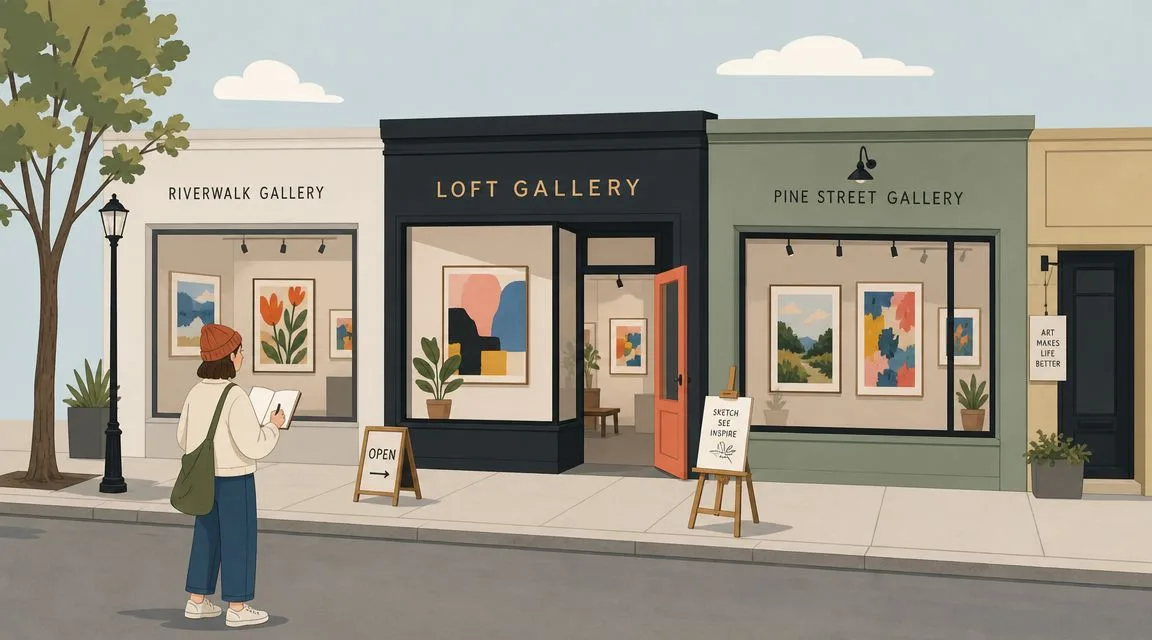
A good starting point is the broader artisan, design, and lifestyle scene in San Miguel. It helps you connect the obvious gallery stops to the city’s deeper identity as a place where people make things, collect things, and talk about them seriously.
Start with places that create repeat visits
Don’t just pop into the most visible gallery and move on. Spend time in places where people linger. Fabrica La Aurora is useful for that because it shows how art, furniture, interior design, and café culture overlap in daily life. Biblioteca Pública and Instituto Allende matter for a different reason. They reveal the city’s educational and social layer, not just its decorative one.
If you’re considering a longer stay, gallery events are one of the easiest ways to meet people without forcing conversation. The best openings attract a mix of artists, longtime residents, weekend visitors, and newcomers who are still learning the city.
What the art scene tells you about neighborhoods
Art in San Miguel also works as neighborhood research. Areas near the gallery circuit appeal to people who want stimulation and walkability. They’re ideal if your version of quality of life includes spontaneous openings, coffee meetings, and evenings that don’t require a car.
If that sounds attractive, test it in a practical way:
- Attend one opening and one quiet weekday visit: Crowded events show the social energy. Quiet afternoons show whether you’d still enjoy the area without the buzz.
- Watch who uses the cafés nearby: You’ll quickly see whether the zone serves tourists only or supports a resident routine.
- Notice closing hours and street lighting: Art districts feel different once the doors shut.
Some people move to San Miguel for the architecture and stay for the conversations that happen around art.
That’s why this belongs high on any serious list of what to do in San Miguel de Allende. It’s one of the few activities that shows both culture and community at once.
3. Dine at Restaurants and Experience Culinary Excellence
Dinner in San Miguel can tell you more about daily life than a full day of sightseeing. Book a rooftop in Centro and you see the city at its most polished. Have breakfast on a quieter street or a long lunch outside the core, and you start to understand where a repeatable routine exists.
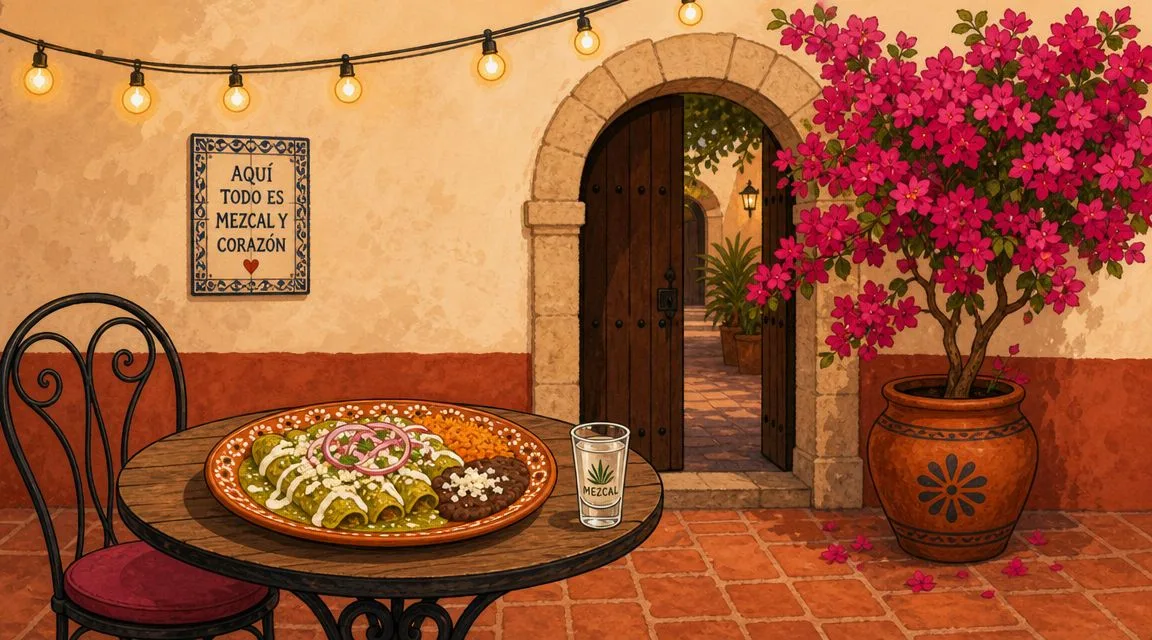
The city rewards range. One refined dinner for the view makes sense. So does one courtyard meal where the pace is slower and the room is part of the experience. Then add a straightforward lunch spot that regular residents use during the week. That mix gives a clearer picture of San Miguel than chasing the same style of restaurant night after night.
Eat by neighborhood, not only by cuisine
Centro has the highest concentration of known names, and for a short trip that convenience is real. It also comes with trade-offs. Prices run higher, reservations fill faster, and the atmosphere can tilt toward occasion dining rather than everyday habit.
A better approach is to spread your meals across different parts of town. Breakfast is useful in residential areas because you see who is out early, where people linger, and whether the street feels practical on foot. Lunch shows local rhythm more authentically than dinner. A sunset reservation still has its place, especially on a clear evening, but it should not be your only reference point.
Season matters too. During high-demand periods, the city gets busier and tables disappear quickly. One market analysis on tourism in San Miguel, growth or crisis argues that higher visitor volume has changed how people experience the city. For a visitor considering a longer stay, that usually means planning meals with more intention and giving equal weight to comfort, access, and consistency.
If your dates overlap with a busy cultural weekend, check a current festival calendar for San Miguel de Allende before you decide where to dine.
What restaurants reveal about livability
Dining is useful neighborhood research because the trade-offs are immediate.
- Test the return walk at night: A beautiful dinner feels different if the route home is steep, poorly lit, or crowded every weekend.
- Eat out on a weekday: Saturday energy can flatter an area that feels flat from Monday to Thursday.
- Notice table turnover and service pace: Some zones are built for lingering resident habits. Others are built for one-time visitors.
- Compare lunch prices with dinner prices: The gap often shows whether an area supports regular local use or mostly special-occasion spending.
Restaurant choice also depends on what kind of life you picture here. Moxi suits a polished evening out. Casa Crespo offers a stronger link to traditional cooking and culinary learning. Smaller independent spots often tell you the most about a neighborhood because they rely on repeat business, not just passing demand.
For anyone serious about San Miguel, food is more than a pleasure category. It is one of the fastest ways to judge whether a neighborhood can support the version of daily life you want.
4. Attend Festivals and Community Events
You wake up to church bells, step outside, and find your street already filling with marching bands, paper decorations, and families heading toward the centro. That is one of the fastest ways to understand San Miguel. Public celebrations shape how the city feels to visitors, but they also reveal how daily life changes from block to block.
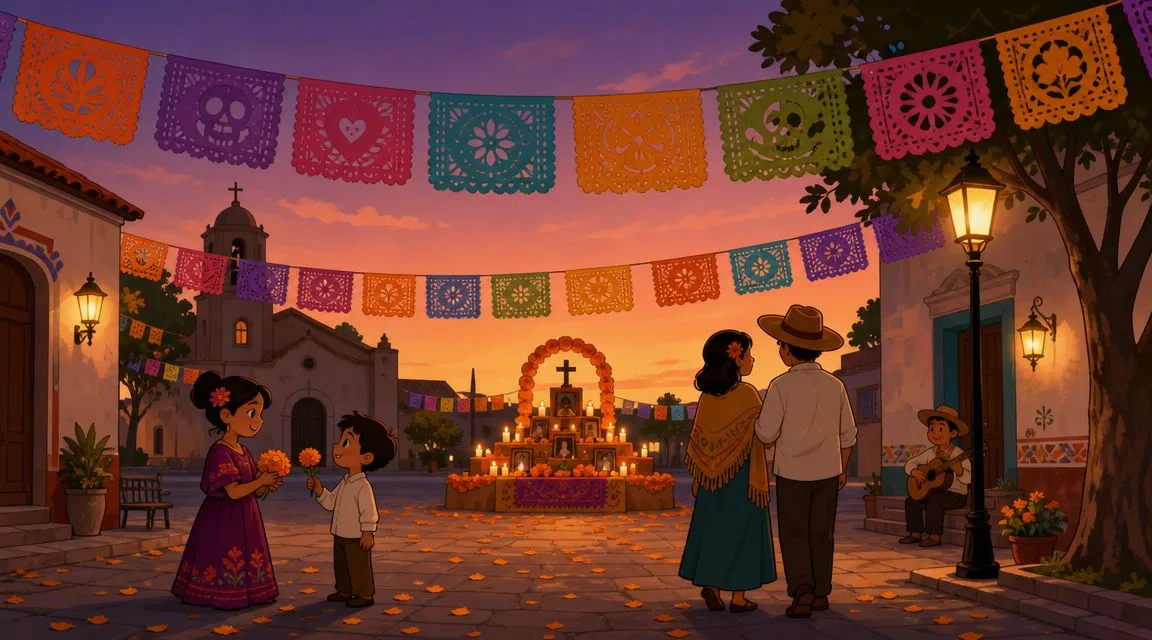
The annual calendar is part of the city’s social structure. Events such as the San Miguel International Jazz and Blues Festival, the Festival de Música Barroca, Día de los Locos, and Day of the Dead bring out different sides of San Miguel. Some are polished and arts-focused. Others are noisy, devotional, improvised, and deeply local. For a broader cultural calendar, this guide to festivals in San Miguel de Allende is useful when you’re choosing travel dates.
For prospective residents, festivals do more than fill an itinerary. They show how each area handles pressure.
Centro gives you immediate access and strong visual drama, but it also absorbs the most foot traffic, street closures, and late-night noise. Areas just outside the core often offer a better balance. You can walk into the celebration, then return to a quieter street once the music runs late. That trade-off matters if you are testing San Miguel as a place to live, not just a place to visit for three days.
Choose your season with your tolerance in mind
If you enjoy communal energy, come during a major celebration and accept the friction that comes with it. Restaurants run behind. Parking gets harder. A short ride can take much longer than expected. That inconvenience is useful information.
If you are evaluating neighborhoods, visit once during a normal week and once during a busy cultural period. A calm stay can flatter an area. A festival weekend shows whether access, noise, and crowd flow still feel manageable to you.
Weather changes the experience too. Dry-season events are easier for long walks, standing in plazas, and watching processions. Hotter afternoons can wear people down quickly, especially on exposed stone streets with little shade.
Local insight: The best festival strategy is rarely to stay in the middle of the action. Stay close enough to join on foot, but far enough away to sleep.
Use event days as a livability test
Festivals answer practical questions that standard sightseeing misses. How long does it take to get home after dark? Does your route stay comfortable when sidewalks are packed? Can you tolerate fireworks, bells, and amplified music several nights in a row?
A few habits help:
- Walk your return route before the main event starts: Daytime charm and nighttime convenience are not the same thing.
- Plan one fixed meal, usually lunch: Dinner hours become less reliable during large public celebrations.
- Watch who is using the public space: Families, long-term residents, second-home owners, and short-stay visitors do not use the city in the same way.
- Pay attention to cleanup and recovery the next morning: Well-run areas regain their rhythm quickly.
Community events also tell you something quieter about San Miguel. People here still gather in public with real consistency. That supports a lifestyle centered on plazas, walking, chance encounters, and civic tradition. For some buyers, that is the draw. For others, it confirms they should live a little outside the center and visit the festivities on their own terms.
5. Explore Surrounding Pueblos Mágicos and Natural Areas
A common San Miguel weekend starts with coffee in town, then a drive out once the morning light clears the hills. By lunch, you can be walking the alleys of Guanajuato, stopping for ice cream in Dolores Hidalgo, or trading stone and traffic for open air on the edge of the region. That range matters. It changes how the city feels over time.
San Miguel works well as a home base because daily life here does not have to stay inside the city center. For visitors, that means stronger day-trip options. For prospective residents, it means weekends have variety without the fatigue of constant airport transfers, hotel changes, or long planning cycles.
Use nearby towns to test your preferred pace of life
Guanajuato gives you a denser urban experience with museums, tunnels, steeper streets, and more visual intensity. Dolores Hidalgo feels more regional and more straightforward. It is a good counterpoint if you want history without the same volume of international activity you find in San Miguel.
Natural areas serve a different purpose. They give your eyes and nervous system a break from cobblestones, crowds, and stimulation. That sounds minor on a short trip. It becomes more important if you are considering a season here or trying to picture everyday routines beyond restaurants and rooftop views.
This is also where neighborhood fit becomes clearer.
Someone living in Centro may value the ability to leave town for a quieter day after a busy week. Someone based in a more residential area may use these outings differently, as part of a broader pattern of slower living in the Bajío. If you are evaluating the city seriously, pair these excursions with a look at how different parts of town support daily rhythm, walkability, and downtime in this guide to the San Miguel lifestyle and neighborhoods.
Day trips reveal habits that matter later
Nearby outings show you more than scenery. They show you how you handle departure times, road logistics, pacing, and the question every future resident eventually faces. Does San Miguel feel complete to you on its own, or do you want a home base that opens outward?
A few practical tests help:
- Leave early for stronger day trips: Roads, parking, and heat are easier to handle in the morning.
- Alternate urban and nature outings: That gives you a clearer read on what kind of weekend life restores you.
- Notice your tolerance for driving and coordination: Some people enjoy the ritual of getting out of town. Others start to resent the setup.
That distinction matters in real estate terms too. Buyers who expect to spend many weekends exploring the region often care less about being in the center of every cultural event. Buyers who want most of life within a short walk usually prioritize in-town access and use surrounding destinations more selectively.
The surrounding pueblos mágicos and natural areas are not side attractions. They are part of the long-term appeal of living here well.
6. Participate in Wellness, Yoga, and Spiritual Activities
San Miguel has a strong wellness side, but it’s easy to misunderstand it if you only sample a spa treatment and move on. Its core appeal is routine. People build daily life here around movement, recovery, quiet mornings, and smaller social circles organized around health rather than nightlife.
That’s one reason weather-smart planning matters. A recent lifestyle gap analysis points out that many common recommendations in San Miguel revolve around outdoor walking circuits such as El Jardín, El Mirador, Parque Benito Juárez, El Charco del Ingenio, and Cañada de la Virgen, while a more useful approach is to plan by time of day, season, and mobility needs, as discussed in this comfort-first perspective on San Miguel activities. That’s especially relevant if your body doesn’t enjoy midday cobblestone marathons.
Wellness here is about routine, not spectacle
San Antonio often appeals to people who want a quieter residential feel while staying connected to the city’s cultural core. It’s a sensible place to test yoga classes, meditation groups, bodywork, or slower café mornings because the neighborhood rhythm supports consistency.
Try a few formats instead of declaring yourself a “spa person” or a “yoga person” on day one. A gentle morning class, an afternoon massage, and an early walk will tell you more about your fit with the city than a single indulgent treatment.
Go out early, come back before the strongest sun, then head out again later. In San Miguel, comfort often depends more on timing than ambition.
Who should prioritize this side of San Miguel
If you’re older, recovering from burnout, traveling with family, or considering retirement, this category deserves more attention than most tourist lists give it. Wellness isn’t filler here. It’s one of the most practical answers to how people live well in the city week after week.
People who tend to like this side of San Miguel usually want:
- A calmer morning rhythm: Less rush, more routine.
- Walkability without constant stimulation: Enough activity, but not constant noise.
- Services that support daily life: Classes, treatments, and communities you’ll use repeatedly.
That makes wellness one of the smarter filters for deciding what to do in San Miguel de Allende if your trip is partly a lifestyle trial.
7. Learn Spanish and Engage with Language Programs
If you’re staying longer than a few days, Spanish study changes your experience quickly. Even modest progress opens doors that sightseeing doesn’t. You hear more, ask better questions, and rely less on the expat bubble.
San Miguel has long supported international learners through language schools, tutoring, and informal exchanges. That educational structure is part of the broader San Miguel lifestyle that attracts people who don’t just want a picturesque address. They want integration.
Language study changes the city fast
A class gives your week shape. That sounds simple, but it matters. Visitors who only book meals and tours can drift through the city. Visitors who add classes start building a life pattern. Morning lesson, coffee after, market errand, afternoon walk. Suddenly the city feels usable, not just admirable.
Instituto Allende is the best-known name, but private tutors and smaller programs can work just as well if you want flexibility. The right choice depends less on prestige and more on your willingness to show up consistently.
Where this fits in a relocation plan
Language learning is also one of the best low-risk tests for future residents. Can you commit to routine here? Do you enjoy the effort of participating in local life, or do you mainly want comfort in English? There’s no wrong answer, but it helps to know which one is true.
A practical approach works best:
- Book a trial class first: You’ll learn whether the pace and teaching style suit you.
- Add one-on-one conversation practice: It fills the gaps group classes miss.
- Use your class zone as a neighborhood test: You may discover an area you enjoy more than your hotel district.
People asking what to do in San Miguel de Allende often overlook language study because it sounds less exciting than rooftop dining. For anyone considering a season or a move, it’s one of the highest-value activities in town.
8. Golf, Tennis, and Country Club Amenities
Some buyers and long-stay visitors want culture first. Others want structure. Golf, tennis, pools, and club routines create that structure, and they produce a very different version of life from Centro’s spontaneous rhythm.
This side of San Miguel often comes into focus in communities such as Vista Antigua, Ventanas, and Malanquin. The appeal isn’t only the sport itself. It’s predictability. You know where mornings go, where neighbors gather, and what amenities support an active routine.
Structured recreation has a different rhythm
If you enjoy organized recreation, visit at the hour you’d use the facilities. A tennis court at noon tells you less than a court at the hour you prefer to play. The same goes for pools, clubhouses, and gym spaces.
People who thrive in these communities usually want lower-friction living. They don’t need the city center outside the front door every minute. They want access to it, then a calmer return home.
What to check before you buy into the lifestyle
Country-club style living can look ideal on paper and feel limiting in practice if you don’t use the amenities. Before you commit, answer basic questions for yourself:
- Will you use the facilities weekly: If not, you may be paying for an identity rather than a habit.
- Does the social culture fit you: Some clubs feel warm and easy. Others feel overly insular.
- How much driving are you willing to do: Distance is manageable until it becomes routine.
This category matters because it broadens the answer to what to do in San Miguel de Allende. The city isn’t only for walkers, art lovers, and festival-goers. It also works for people who want private recreation and a more contained residential pattern.
9. Volunteer and Community Service Engagement
Spend a few weeks in San Miguel and a pattern becomes clear. The people who build a real life here usually stop asking only what they can consume and start asking where they can contribute.
That shift matters. Community work gives you access to parts of the city that restaurants, galleries, and weekend events never show you. You see which organizations are well run, which neighborhoods have strong local leadership, and where foreign residents participate usefully instead of clustering only with each other.
For anyone considering a longer stay or a move, that is valuable information.
The strongest fits are usually practical. Animal rescue, literacy support, library programs, youth education, food assistance, and environmental cleanups all attract different kinds of volunteers. Some roles suit fluent Spanish speakers. Others work well for newcomers who can offer time, administrative help, fundraising support, transport, or specialized professional skills.
Community work shows you how San Miguel actually functions
Volunteer placements also reveal neighborhood character in a way a property tour cannot. In Centro, you may find long-established nonprofits and bilingual networks with a steady flow of international support. In colonias beyond the postcard core, the work often feels more local, more relationship-based, and less curated for outsiders.
That difference is useful to notice if you are evaluating where you might want to live.
A person who enjoys formal boards, organized events, and structured fundraising may feel comfortable around established institutions. Someone who prefers direct, neighborhood-level involvement may feel more at home in communities where trust builds slowly and face-to-face presence matters more than polished messaging.
Start small and stay reliable
Many newcomers make the same mistake. They overpromise in the first month, then disappear when travel, guests, or logistics interrupt their schedule.
A better approach is simple:
- Choose one organization first: It is easier to judge fit when your time is not split across multiple causes.
- Offer a skill you can repeat: Weekly driving, bookkeeping, teaching support, or event help is more useful than vague enthusiasm.
- Ask about expectations before committing: Some groups need consistency. Others can use occasional help.
- Be honest about language limits: Basic Spanish is workable in many settings if you listen carefully and follow local direction.
The quickest way to feel connected in San Miguel is to become dependable in one small role.
Volunteer work will not suit every visitor. If your stay is short, your Spanish is minimal, and your schedule is packed, donating money or attending a fundraising event may be the more respectful option. But if you are spending a month or more in San Miguel, service is one of the clearest ways to test whether the city fits you as a lifestyle, not just as a destination.
10. Visit Nearby Thermal Springs and Spa Retreats
Not every good day in San Miguel should happen in town. After several days of walking on stone streets, climbing grades, and navigating crowds, a thermal-springs day can feel less like a luxury and more like maintenance.
The region’s broader visitor economy supports that kind of escape, but it also means planning matters. AirROI reports about 2,047 active short-term rental listings with guests booking roughly 48 days in advance in San Miguel de Allende. That’s a strong reminder to organize peak-period stays and side trips early rather than assuming you can improvise everything.
Use spa outings as recovery days
La Gruta is the name many visitors know first, and for good reason. It’s easy to pair with a slower morning and a simple lunch. Other wellness-oriented properties in the region offer a more private or more polished version of the same idea.
The mistake is trying to stack too much onto these days. Don’t combine thermal pools, a rushed shopping session, and a formal dinner unless you enjoy turning rest into work.
Why this matters if you’re considering a move
For prospective residents, thermal and spa outings answer a deeper question. Can this region support recovery, not just activity? That matters more than people admit. A city becomes livable when it offers good exits from its own intensity.
A practical thermal-springs day usually works best like this:
- Go on a weekday if you can: The atmosphere is calmer and more restorative.
- Pack for transitions: Wet surfaces, changing temperatures, and a drive back all require a little foresight.
- Treat it as part of the lifestyle test: Ask whether these easy regional escapes would improve your weekly or monthly routine.
What to do in San Miguel de Allende isn’t only about stimulation. The best version of the city includes recovery too.
Top 10 Activities in San Miguel de Allende, Comparison
| Activity | 🔄 Implementation Complexity | ⚡ Resource Requirements | 📊 Expected Outcomes | Ideal Use Cases | ⭐ Key Advantages | 💡 Quick Tip |
|---|---|---|---|---|---|---|
| Explore the Historic Centro and Colonial Architecture | Moderate, self-guided exploration; purchase due diligence needed | Time + local guide/realtor; high purchase budget | High, clear neighborhood character; strong investment potential | Luxury buyers seeking urban cultural immersion | Iconic architecture, walkability, high property values | Visit at different times; check noise and parking |
| Visit Art Galleries and Cultural Institutions | Low, attend events and openings | Time, modest entry or class fees; networking effort | High, cultural connections and lifestyle prestige | Buyers seeking arts-focused community | Dense gallery network, workshops, regular events | Attend First Friday; join gallery mailing lists |
| Dine at Restaurants and Experience Culinary Excellence | Low, reservations recommended during peak season | Moderate, fine dining prices similar to global cities | High, enhanced lifestyle and social opportunities | International luxury buyers and food-focused retirees | Award-winning restaurants, diverse cuisines | Reserve ahead (Nov–Apr); consider proximity to restaurants |
| Attend Festivals and Community Events | Low, simple participation but crowd planning needed | Low–Moderate, time and occasional premium prices | High, strong community bonding and cultural immersion | Expat families and retirees seeking social calendar | Regular festivals, family-friendly gatherings | Check festival calendar before property viewings |
| Explore Surrounding Pueblos Mágicos and Natural Areas | Moderate, travel planning; road variability | Vehicle or driver required; day/weekend time investment | Moderate–High, recreational variety boosts lifestyle value | Active, adventurous buyers wanting nearby escapes | Easy day trips, diverse cultural and natural sites | Rent a car or hire a driver; combine multiple sites per trip |
| Participate in Wellness, Yoga, and Spiritual Activities | Low, routine classes and retreats available | Low–Moderate, class/retreat fees; time commitment | Moderate–High, improved wellbeing and local social ties | Retirees and health-conscious expats | Strong wellness community, varied offerings | Try several studios; verify practitioner credentials |
| Learn Spanish and Engage with Language Programs | Moderate, structured classes and practice needed | Low–Moderate, tuition/time; variable school quality | High, faster integration and independent living | Relocating expats and retirees prioritizing integration | Small classes, cultural integration programs | Arrange trial classes; combine group + private tutoring |
| Golf, Tennis, and Country Club Amenities | Moderate, membership processes and travel to courses | High, membership fees and occasional travel to courses | Moderate–High, active lifestyle and networking | Active retirees and affluent international buyers | Recreational amenities, social clubs, gated-community perks | Trial memberships; assess travel time to golf courses |
| Volunteer and Community Service Engagement | Low, flexible roles but coordination required | Low, time commitment; occasional training | High, rapid social integration and meaningful contribution | Purpose-driven retirees and expats | Diverse opportunities, strong local networks | Start part-time; align volunteer work with skills |
| Visit Nearby Thermal Springs and Spa Retreats | Low–Moderate, day/weekend planning | Moderate, travel time and spa fees | Moderate–High, relaxation, wellness benefits | Health-conscious buyers and retirees | Natural mineral springs and spa experiences | Research facility cleanliness; book ahead in peak season |
Crafting Your San Miguel de Allende Lifestyle
The most useful way to approach San Miguel is to stop separating tourism from lifestyle too sharply. In this city, they overlap. A morning in Centro isn’t only sightseeing. It’s a test of whether you enjoy density, bells, foot traffic, and constant visual beauty. An afternoon in galleries isn’t only culture. It’s a measure of whether you want your daily life to include openings, design conversations, and creative neighbors. A dinner reservation isn’t just a meal. It tells you how much convenience, noise, walking, and social energy you want built into your evenings.
That’s why the best answer to what to do in San Miguel de Allende depends on the life you’re trying to imagine. Some people arrive and immediately realize they want the historic core, with all its friction and charm. They want to step out the door and be in the middle of things. Others discover they’d rather keep Centro close but not constant. They want a quieter residential pocket, more space, easier mornings, and a simpler relationship to crowds. Others still are happiest in gated communities or club-oriented settings, where recreation, privacy, and routine shape the week.
San Miguel supports all of those versions, but not from every address. That’s where many visitors get tripped up. They fall in love with the city’s image and don’t spend enough time noticing how daily mechanics work. How far is the walk when you’re carrying groceries. Whether your preferred dinner hour means noise below the window. Whether your knees are happy on cobblestones after three consecutive days. Whether a festival feels energizing or exhausting when it’s outside your door instead of on your itinerary. Whether you want a car. Whether you need one.
The city’s scale helps. It’s substantial enough to sustain year-round dining, culture, and services. It’s also small enough that neighborhood choice shapes your quality of life almost immediately. That’s one reason so many smart visitors use a trip here as reconnaissance. They’re not just collecting experiences. They’re testing rhythms.
A good scouting visit usually includes both high-energy and low-energy days. Spend time in the obvious places, because they matter for a reason. But also sit in quieter cafés, walk home in the evening, take one class, attend one event, and leave town once for a regional outing or thermal reset. Those moments tell you whether San Miguel works for your actual habits, not just your vacation self.
If the city keeps pulling you back, the next step isn’t just finding a property that looks right in photos. It’s finding a home that fits the version of San Miguel you’ve discovered you want. That might mean colonial architecture near the action, a calmer base in San Antonio or Guadiana, hillside views in Ojo de Agua, or amenity-driven living in communities such as Vista Antigua, Ventanas, or Malanquin. Inside San Miguel is one local resource people use when they want to connect neighborhood character with property search, not treat them as separate decisions.
The city gives you more than a list of attractions. It gives you a set of possible lives. The smartest way to explore it is to notice which one already feels like yours.
If you’re exploring a move, a second home, or a longer stay, Inside San Miguel can help you match neighborhoods, daily routines, and property options in San Miguel de Allende.