

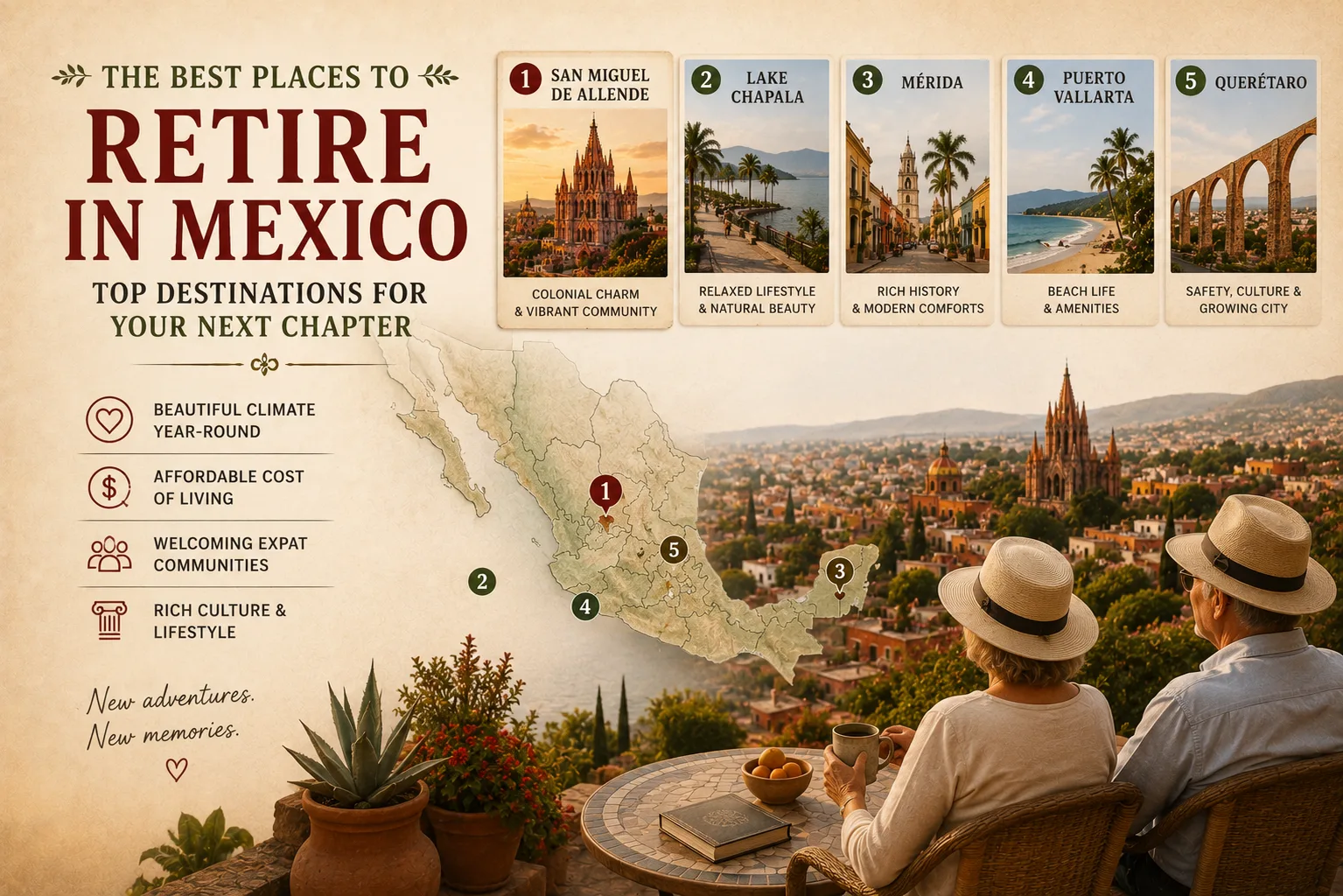
You're probably doing what most retirees do at the start. Comparing beach towns to colonial cities, trying to decide whether lower costs matter more than walkability, and wondering if buying property in Mexico is straightforward or full of hidden complications. That's the right way to approach it, because retirement in Mexico works best when you match the location to how you'll live day to day, not just how a place looks in photos.
Mexico keeps showing up on shortlists for American and Canadian retirees for practical reasons. You can find established expat communities, direct access to culture, better weather in many regions, and residency pathways that are defined rather than vague. U.S. and Canadian citizens can typically enter visa-free for up to 180 days, and longer-term residency routes are tied to clear income or asset thresholds, including pensionado income of about $1,000 per month, rentista deposits of $60,000 with $2,500 monthly transfers for two years, or investor thresholds of $150,000, according to International Living's retirement overview for Mexico.
The challenge is that the best places to retire in Mexico aren't all good for the same kind of retiree. Some cities are ideal for art lovers who want walkable historic neighborhoods. Others work better for people who want modern services, airport access, or resort-style living. And if you're buying, the rules change depending on whether you're inland or in a restricted coastal zone.
Table of Contents
- 1. San Miguel de Allende – Colonial Charm & UNESCO Heritage
- 2. Lake Chapala – Serene Waterfront Living & Established Expat Hub
- 3. Puerto Vallarta – Beachfront Luxury & Resort Lifestyle
- 4. Playa del Carmen & Caribbean Coast – Modern Beach Communities & Caribbean Living
- 5. Oaxaca City – Cultural Immersion & Bohemian Artistic Haven
- 6. Guanajuato City – Mining Heritage & Bohemian Elegance
- 7. Mérida – Colonial Yucatecan Culture & Emerging International Community
- 8. Querétaro – Colonial Elegance & Modern Infrastructure Balance
- 9. San Cristóbal de las Casas – High-Altitude Colonial Gem & Indigenous Culture
- 10. Mexico Retirement & Property Buying Overview
- Top 10 Retirement Destinations in Mexico Comparison
- Finding Your Perfect Home in Mexico
1. San Miguel de Allende – Colonial Charm & UNESCO Heritage
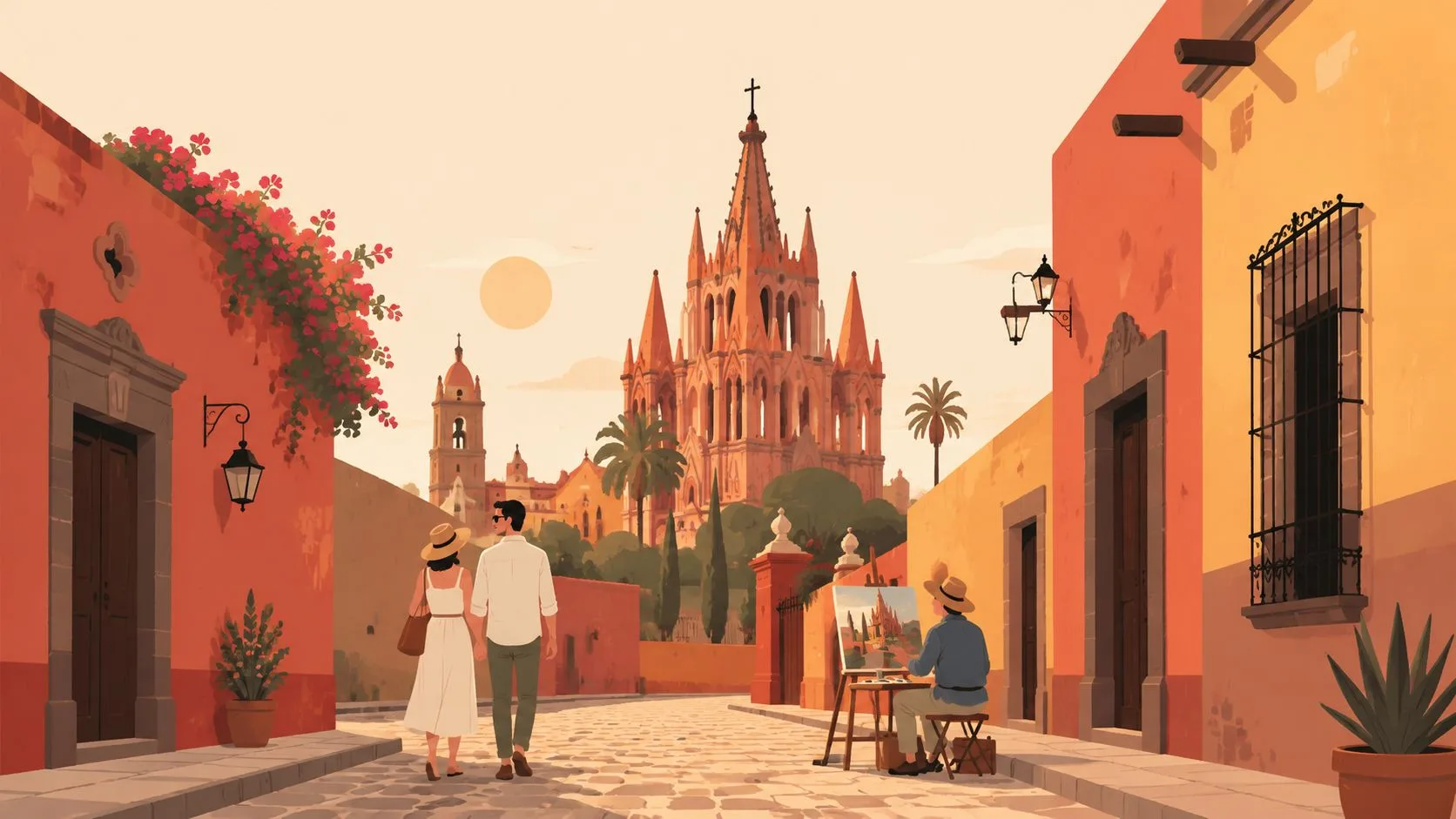
San Miguel de Allende is the place many retirees picture when they say they want “authentic Mexico” without giving up comfort, social life, or buyer support in English. It's a colonial city with serious visual appeal, but the reason it keeps ranking among the best places to retire in Mexico is more practical. One independent expat guide estimates that a couple can live there on about USD 2,000 to 2,500 per month, while a one-bedroom apartment in neighborhoods such as Guadiana or El Centro Histórico rents for about USD 1,165 per month and a single person's other monthly expenses average around USD 800, according to this retirement cost breakdown for Mexico.
Those numbers matter because San Miguel isn't cheap by Mexican standards, but it's often more predictable than people expect. If you're comparing it with U.S. or Canadian retirement budgets, the city can still make sense, especially if you rent first and buy once you understand neighborhood differences. For buyers looking for a local perspective, San Miguel de Allende cost of living insights can help connect lifestyle budgeting with the local property market.
Why buyers keep circling back to San Miguel
Centro draws buyers who want to step outside into cafés, galleries, churches, and events. The trade-off is noise, hills, tighter parking, and higher prices for restored colonial homes. Retirees who love the energy tend to accept those compromises.
Ojo de Agua, Guadiana, Balcones, and San Antonio usually make more sense for people who want more house, better views, easier day-to-day living, or a quieter routine. Gated communities such as Vista Antigua appeal to retirees who want controlled access, cleaner lines, and less property management stress than a fully historic home can bring.
Practical rule: In San Miguel, buy the neighborhood before you buy the house.
Best neighborhoods for retirees
- Centro Histórico: Best for walkability and character. Worst for parking, renovation complexity, and noise.
- Guadiana: Strong option for retirees who want a central feel without living in the middle of the tourist flow.
- Ojo de Agua: Popular with buyers who want larger homes and the possibility of studio or garden space.
- Balcones and Atascadero: Better for views and privacy, less ideal if you want easy flat walking every day.
San Miguel also has one key legal advantage for foreign buyers. It's inland, so foreign ownership is typically structured as direct purchase rather than through a coastal trust. That makes the process simpler than what buyers face in beachfront markets, though you still need a reputable real estate advisor, bilingual legal support, and a proper notary-led closing process.
2. Lake Chapala – Serene Waterfront Living & Established Expat Hub
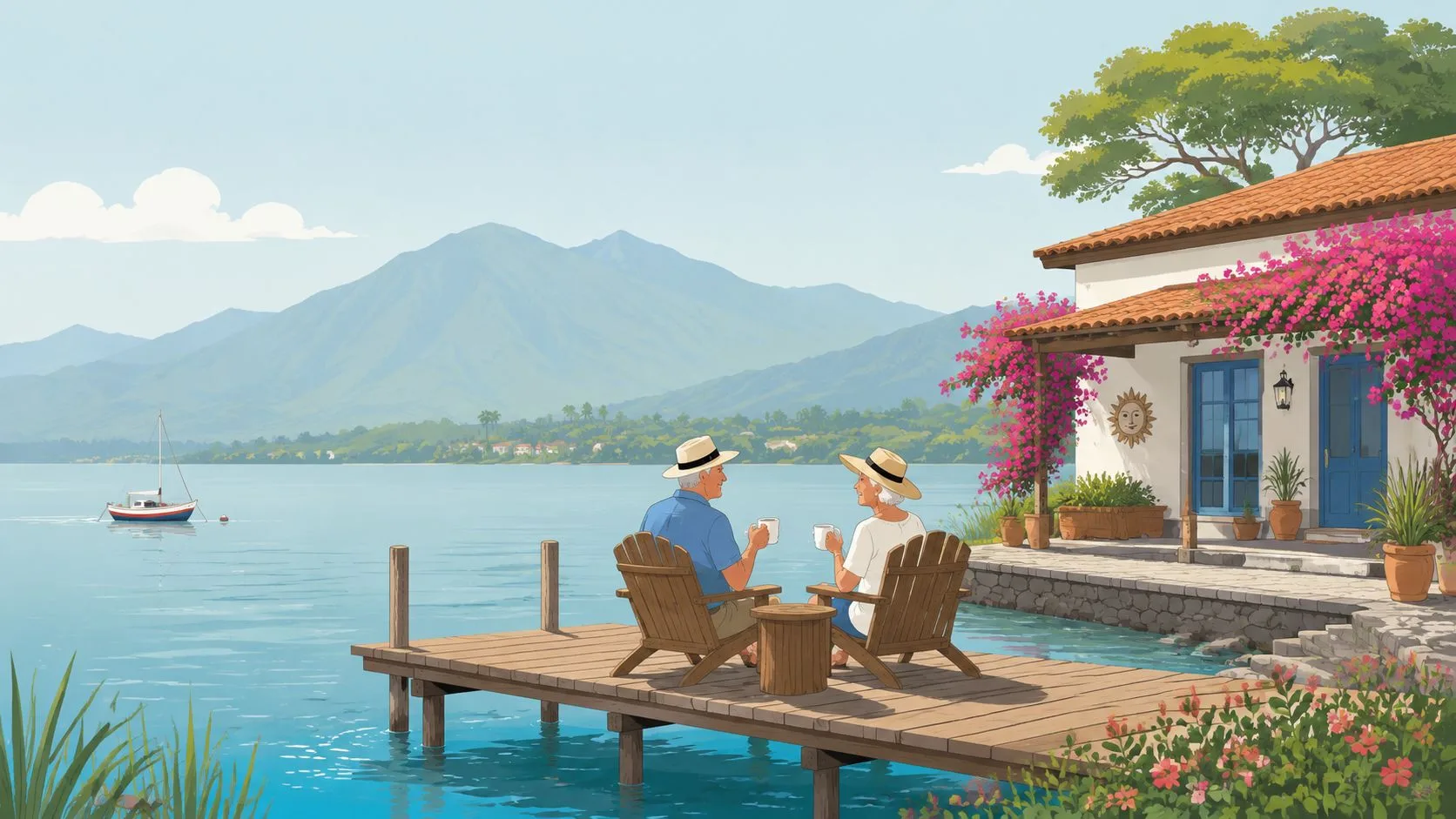
If San Miguel is the polished colonial choice, Lake Chapala is the established lakeside one. The area around Ajijic has been on the retiree map for a long time, and that matters because mature expat markets tend to have better support systems, more service providers who understand foreign buyers, and social networks that don't require you to build everything from scratch.
AARP describes the area around Lake Chapala as home to one of the largest expat communities in the world, and notes that Ajijic sits less than an hour from Guadalajara's international airport, which is one of the region's biggest structural advantages for retirees who need steady travel and access to larger-city services. A healthcare-focused retirement guide also highlights Lake Chapala and Ajijic as preferred choices because of their temperate climate and developed healthcare support for American and Canadian expatriates in this overview of retirement regions in Mexico.
What daily life looks like
Ajijic works well for retirees who want an active social calendar, local art, easy restaurant access, and a routine that feels relaxed without feeling isolated. Chapala is more functional and less romantic, but for some buyers that's exactly the point. It can be easier for errands and practical daily living.
The main trade-off is that many retirees still depend on Guadalajara for specialized services. That's not a deal breaker. It just means you should think regionally, not just town by town.
Many retirees choose Lake Chapala for the community first, and the lake second.
Where to focus your property search
- Ajijic village core: Best for walkability, community ties, and a classic lakeside retiree lifestyle.
- Hillside areas: Better views and larger properties, but steeper access and more driving.
- Chapala: More practical for errands and some services, less charming than Ajijic for many retirees.
If you buy here, pay close attention to elevation, drainage, water systems, and road access. Waterfront romance can distract buyers from practical risks. Renting through different seasons is smart in this market, especially if you're sensitive to weather shifts or want to test how often you'll need Guadalajara.
3. Puerto Vallarta – Beachfront Luxury & Resort Lifestyle
Puerto Vallarta is for retirees who want the beach and aren't pretending otherwise. It offers a smoother landing than many coastal markets because the city already operates at an international pace. You'll find established hospitality, broad dining options, strong service culture, and a year-round rhythm that suits both full-time retirees and seasonal owners.
The lifestyle split is clear. Zona Romántica and nearby central areas appeal to buyers who want walkability, nightlife, dining, and a lock-and-leave condo. Marina Vallarta attracts retirees who prefer a more contained environment with easier driving, golf, and resort-style order.
Who does well here
Retired executives, second-home owners, and buyers who want part-time personal use with rental potential tend to like Puerto Vallarta. It also works for couples who know they'll host friends and family often, because the city is easy for visitors to understand and enjoy.
What doesn't work is assuming every beachfront property is a good retirement property. Some units are built for vacation turnover, not quiet year-round living. Others come with maintenance expectations that buyers underestimate in salty, humid conditions.
Buying reality on the coast
Foreign buyers need to understand fideicomiso early. In restricted zones near the coast, ownership is commonly structured through a bank trust rather than a direct deed in your personal name. That doesn't mean the purchase is unsafe, but it does mean the process is different from buying inland in cities like San Miguel or Querétaro.
- Old Town and central beach zones: Best for walkability and rental appeal, but usually louder and busier.
- Marina Vallarta: Better for organized living and modern buildings.
- Slightly inland areas: Often better value if you want space and don't need a water view every morning.
Buyers who plan to rent should vet the property management company as carefully as they vet the condo itself. A badly run building or weak manager can ruin both the ownership experience and the income strategy.
4. Playa del Carmen & Caribbean Coast – Modern Beach Communities & Caribbean Living

Playa del Carmen attracts a different retiree than Puerto Vallarta. It's younger in feel, more international in a transient way, and often suits people easing out of remote work rather than stepping directly into a quiet retirement. If you want beach access, strong connectivity, and modern condo living, it belongs on the shortlist of best places to retire in Mexico.
The upside is convenience. The downside is that parts of Playa can feel more like a global tourism zone than a traditional Mexican city. Some retirees like that energy. Others get tired of it fast.
Best fit for active retirees
Playacar stands out for retirees who want a more residential environment and a stronger neighborhood feel. Areas near Fifth Avenue offer convenience, but the closer you get to the busiest tourism corridor, the more likely you are to deal with noise, turnover, and buildings designed around short-term rentals rather than stable ownership.
This market works best for buyers who want a condo, don't mind management fees, and understand that weather and coastal wear aren't occasional issues. They're part of ownership.
Property strategy matters here
Foreign buyers on the Caribbean coast also need to understand fideicomiso. Coastal purchases usually require that trust structure, and that should be explained clearly before you make an offer. If an agent can't walk you through that process in plain language, move on.
- Playacar: Better for retirees who want more privacy and an established residential setting.
- Central Playa: Strong for convenience, weaker if you want peace and a local feel.
- Newer fringe developments: Sometimes attractive on paper, but location quality matters more than glossy amenities.
Insurance, humidity control, air conditioning demands, and storm readiness all need to be built into your ownership budget. Buyers who underestimate those operating realities often end up using the property less than they planned.
5. Oaxaca City – Cultural Immersion & Bohemian Artistic Haven
Oaxaca City isn't the easiest retirement destination on this list. That's part of the appeal. People who choose Oaxaca usually want culture first, comfort second. They're willing to learn the city instead of expecting the city to adapt to them.
For retirees who care about food, art, language, architecture, and local tradition, Oaxaca can be profoundly rewarding. It's one of the few places where retirement can feel like genuine immersion rather than relocation into an expat bubble.
Why people fall for Oaxaca
The historic core offers the visual appeal many retirees want, but the stronger reason to choose Oaxaca is the texture of everyday life. Markets matter here. Local festivals matter. Spanish matters more here than it does in some retiree-heavy destinations.
Writers, artists, former academics, and culturally curious couples often do well in Oaxaca because they arrive with the right expectations. They're not looking for an easy transition. They're looking for a richer one.
Learn enough Spanish to solve ordinary problems yourself. Oaxaca rewards effort.
Where retirees make mistakes
The biggest mistake is buying too quickly in Centro because a house looks beautiful. Many historic properties need ongoing restoration, and romantic old architecture can come with hidden costs, irregular layouts, and practical inconveniences.
Another mistake is treating city-level healthcare access as if it answers everything. In reality, neighborhood access and specialist availability matter just as much. That issue is often underexplained in retirement rankings, and AARP notes that retirees should choose carefully and even spend at least six months in a place before buying, as discussed in AARP's retirement guidance for Mexico.
If Oaxaca interests you, rent first, work on Spanish, and decide whether you want a polished foreign-friendly life or a more rooted Mexican one. Oaxaca is far better at the second.
6. Guanajuato City – Mining Heritage & Bohemian Elegance
Guanajuato City has some of the most dramatic urban scenery in Mexico. The hillsides, tunnels, plazas, and layered colonial architecture give it a sense of depth that many retirement markets do not have. For the right buyer, it's memorable in a way newer, easier cities aren't.
It's also not a place to choose casually. Guanajuato asks more from you physically and logistically than San Miguel or Querétaro. If mobility is a concern, the romance can wear thin quickly.
The appeal is real, so are the trade-offs
Retired academics, artists, and culturally engaged buyers often gravitate to Guanajuato because it feels intellectually alive. The university presence helps. So does the city's strong festival culture.
But hills, stairs, uneven streets, and older building stock are everyday realities. This is not a city where you can assume a charming home will also be easy to live in.
What to check before buying
- Access first: Walk from the street to the front door yourself. Then imagine doing it with groceries, in the rain, or after a medical appointment.
- Colonial construction: Older homes need careful inspection by local professionals who understand traditional materials and repairs.
- Healthcare logistics: Routine care may be manageable locally, but specialized needs can require planning and travel.
Guanajuato works best for retirees who want beauty and culture badly enough to tolerate friction. If you want effortless retirement living, this isn't your market. If you want a city with soul and can handle the terrain, it may be one of the strongest values among inland colonial destinations.
7. Mérida – Colonial Yucatecan Culture & Emerging International Community
Mérida appeals to practical retirees. It offers culture, history, and a recognizable city structure without leaning as hard on tourism identity as some beach markets do. Many buyers also like that it feels like a real working city, not just a retirement enclave.
It's a strong option for people who want a house with character, a daily routine that includes local institutions rather than only expat venues, and access to Yucatán's wider cultural scene. If your retirement includes regular outings to historic sites, regional food spots, and family visits, Mérida can fit well.
Why Mérida stays on retirement shortlists
Centro Histórico is the obvious draw for buyers who want walkability and colonial architecture. That said, tropical climate is not a detail here. You have to know whether you can live with heat and build your housing strategy around it.
Retirees who handle Mérida best usually embrace the local pace. They plan for shade, air conditioning, water purification, and a rhythm that changes by season rather than resisting it.
Neighborhood strategy for buyers
- Centro Histórico: Best for charm, renovation projects, and walkable living.
- Established residential zones outside the core: Better for easier parking, newer construction, and simpler maintenance.
- Colonial renovation properties: Attractive, but they need patient budgeting and realistic expectations.
Mérida suits buyers who don't need a mountain climate and who prefer a city with substance over spectacle. It's often a better fit for long-term living than for people shopping emotionally for a postcard retirement.
8. Querétaro – Colonial Elegance & Modern Infrastructure Balance
Querétaro doesn't get the same retirement glamour as San Miguel or Puerto Vallarta, but it solves practical problems better than many better-known markets. That's exactly why some retirees end up happier there. It balances historic charm with everyday infrastructure in a way few Mexican cities do.
If you want a city where you can enjoy a colonial center but still rely on modern services, organized neighborhoods, and smoother logistics, Querétaro deserves serious attention. It also works well for buyers who want access to central Mexico without living in a tourism-saturated market.
A practical city for long-term retirement
Retired professionals often like Querétaro because it feels stable and usable. It's not trying to sell a fantasy. It's a city where you can build a routine.
That matters more than many people think. Daily retirement life is about pharmacies, doctor appointments, traffic, grocery access, and whether your neighborhood still feels comfortable after the novelty wears off.
Best approach to buying
Focus on walkable areas if you want a city-centered lifestyle, but don't assume the prettiest block is the best long-term fit. Visit at different times of day. Noise, parking pressure, and commercial activity can change dramatically.
- Centro Histórico: Good for buyers who want architecture and walkability.
- Modern residential areas: Better if you prefer easier driving, newer systems, and less upkeep.
- Hybrid strategy: Some retirees rent centrally first, then buy slightly outside the core once they know how often they use the center.
Querétaro is one of the easiest places on this list to recommend to cautious buyers. It may not be the most romantic option, but it often ends up being one of the most livable.
9. San Cristóbal de las Casas – High-Altitude Colonial Gem & Indigenous Culture
San Cristóbal de las Casas is a niche choice, and it should stay that way. It's beautiful, culturally rich, cool in climate, and attractive to retirees who want a creative or reflective lifestyle. But it also asks for flexibility, patience, and comfort with a more remote setting.
Writers, photographers, anthropologists, and retirees who value indigenous culture often find it compelling. People who want polished systems, broad healthcare access, and easy logistics often don't.
Why it works for some retirees and not others
The city's high-altitude atmosphere and colonial character are a real draw. So is the artist community. If you want somewhere that feels distinct from mainstream expat circuits, San Cristóbal delivers that.
But the remoteness is not theoretical. It shapes healthcare, transportation, property management, and even ordinary errands. You should only consider it if you know you're comfortable operating outside the more serviced retirement corridors.
Property and lifestyle cautions
- Test the setting first: Spend extended time there before making any purchase decision.
- Plan healthcare regionally: Know where you'll go for specialist care and how you'll get there.
- Check home systems carefully: Heating, electrical backup, road access, and internet reliability matter more here than in better-served markets.
San Cristóbal can be one of the most rewarding places to retire in Mexico for the right person. It can also be one of the hardest if you're drawn mainly by aesthetics and not by the day-to-day reality.
10. Mexico Retirement & Property Buying Overview
Mexico offers multiple good retirement paths, but the legal and operational side matters as much as the lifestyle side. Many buyers focus too much on scenery and not enough on how ownership works. That's where expensive mistakes start.
Start with the big distinction. Inland cities such as San Miguel de Allende, Querétaro, Guanajuato, and Oaxaca generally allow a more straightforward foreign purchase structure. Coastal and some lakeside properties can involve a fideicomiso, which is a bank trust used in restricted zones for foreign ownership.
Direct purchase vs fideicomiso
A direct purchase is simpler. You still need due diligence, title review, a notary, tax clarity, and a good advisor, but the ownership structure itself is easier to understand.
A fideicomiso isn't a red flag. It's just a different legal route. The problem comes when buyers don't understand it before they fall in love with a property.
Buy with the assumption that closing is a legal process, not a sales event.
What works before you buy
- Rent before purchasing: A short stay isn't enough. You need to know the neighborhood in ordinary weeks, not vacation mode.
- Map healthcare access: City reputation isn't enough. Check practical access by neighborhood and whether specialist care requires travel.
- Match the property to aging: Stairs, steep streets, garden upkeep, and pool maintenance matter more after purchase than before it.
- Use local specialists: Good agents, notaries, inspectors, and attorneys reduce risk far more than generic online advice.
This video gives a useful visual starting point for thinking about retirement in Mexico.
The best places to retire in Mexico aren't one list for everyone. They break into categories. San Miguel and Guanajuato suit culture-driven inland buyers. Lake Chapala works for retirees who want community depth. Puerto Vallarta and Playa del Carmen appeal to beach-oriented buyers who accept coastal ownership complexity. Querétaro and Mérida often make the most sense for practical long-term living.
Top 10 Retirement Destinations in Mexico Comparison
| Destination | Implementation Complexity 🔄 | Resource Requirements ⚡ | Expected Outcomes ⭐ / 📊 | Ideal Use Cases 💡 | Key Advantages ⭐ |
|---|---|---|---|---|---|
| San Miguel de Allende – Colonial Charm & UNESCO Heritage | Moderate 🔄: straightforward purchase for foreigners but historic-preservation and legal due diligence needed | High ⚡: premium property prices ($500K–$2M+), experienced agents, higher taxes/maintenance | High ⭐📊: luxury lifestyle, strong appreciation and rental demand; seasonal tourism congestion risk | Affluent retirees, artists, cultural retirees seeking established expat community | UNESCO center, world-class arts, strong expat services and healthcare |
| Lake Chapala – Serene Waterfront Living & Established Expat Hub | Low–Moderate 🔄: simple transactions and long-established expat support; environmental checks advised | Moderate ⚡: affordable homes ($150K–$600K), local agents, possible water-filtration costs | Moderate ⭐📊: affordable upscale lakeside living with deep social networks; some environmental/seasonal risks | Budget-conscious retirees, artists, those valuing community and Guadalajara access | Affordable waterfront options, entrenched expat networks, proximity to Guadalajara |
| Puerto Vallarta – Beachfront Luxury & Resort Lifestyle | Moderate–High 🔄: coastal fideicomiso required and specialized coastal expertise; risk management for storms | High ⚡: high purchase prices ($500K–$3M+), insurance, property management for rentals | High ⭐📊: strong rental income and appreciation; resort amenities and top-tier healthcare | Lifestyle retirees, investors in short-term rentals, those needing good air links and services | Strong tourism-driven demand, international airport, excellent healthcare and amenities |
| Playa del Carmen & Caribbean Coast – Modern Beach Communities & Caribbean Living | Moderate–High 🔄: fideicomiso and vacation-rental considerations; seasonal/hurricane planning needed | High ⚡: significant purchase/operational costs ($400K–$2M+), ongoing AC and management expenses | High ⭐📊: excellent rental potential and connectivity for remote work; seasonal variability | Digital nomads, younger retirees, investors in vacation rentals and connectivity-driven lifestyles | High-speed internet, direct international flights, Caribbean activities and strong tourism |
| Oaxaca City – Cultural Immersion & Bohemian Artistic Haven | Moderate 🔄: straightforward purchases but greater language/cultural integration requirements | Low–Moderate ⚡: lower property costs ($80K–$400K), possible restoration expenses and travel for specialty care | Moderate–High ⭐📊: deep cultural immersion and high value for money; fewer specialist services locally | Artists, writers, academics, culturally curious retirees on modest budgets | Outstanding cuisine, indigenous culture, UNESCO heritage and very low cost of living |
| Guanajuato City – Mining Heritage & Bohemian Elegance | Moderate 🔄: purchase simple; colonial restoration and steep terrain require planning | Low–Moderate ⚡: affordable properties ($100K–$350K) but budget for restoration and access solutions | Moderate ⭐📊: vibrant festival culture and good value; smaller expat support than major hubs | Culturally engaged retirees, academics, artists seeking affordable colonial living | Renowned festivals (Cervantino), university energy, pedestrian historic center |
| Mérida – Colonial Yucatecan Culture & Emerging International Community | Low–Moderate 🔄: accessible market with growing services; climate adaptation advisable | Low ⚡: affordable property ($120K–$250K), investment in AC and water/health systems | Moderate ⭐📊: safe, high value-for-money living with rising amenities and appreciation potential | Safety-focused retirees, families, culture seekers wanting low cost of living | Very safe city, Maya heritage, cenotes access and improving international infrastructure |
| Querétaro – Colonial Elegance & Modern Infrastructure Balance | Moderate 🔄: combines colonial purchasing with strong modern services; straightforward transactions | Moderate ⚡: mid-range prices ($200K–$600K), strong healthcare and transport links | Moderate ⭐📊: balanced lifestyle with reliable services and steady appreciation | Retirees seeking modern amenities plus colonial charm; remote workers needing services | Excellent healthcare, strategic proximity to Mexico City and San Miguel, stable economy |
| San Cristóbal de las Casas – High-Altitude Colonial Gem & Indigenous Culture | Moderate–High 🔄: remote location and limited services require extra logistical planning | Low ⚡: very low property costs ($50K–$200K); budget for heating, travel and healthcare access | Moderate ⭐📊: authentic cultural immersion and low-cost living; constrained infrastructure and specialist care | Artists, researchers, spiritually oriented retirees seeking authenticity and affordability | Deep indigenous culture, cool high-altitude climate, lowest overall cost of living |
| Mexico Retirement & Property Buying Overview | Varies 🔄: coastal trusts and visa rules add complexity; inland purchases are simpler | Varies ⚡: ranges from very low to very high; plan for fideicomiso, legal fees, insurance and healthcare | Varies ⭐📊: flexible outcomes across budget and lifestyle spectrum; risk depends on region and seasonality | All prospective retirees and property buyers as a planning checklist and decision framework | Clear guidance on visas, fideicomiso, healthcare, seasonal risks and practical buying tips |
Finding Your Perfect Home in Mexico
Choosing where to retire in Mexico is personal, but the best decisions usually come from the same discipline. Start with the life you want to live on a Tuesday, not the fantasy version of retirement you imagine on vacation. Climate, walkability, airport access, healthcare logistics, and the kind of property you can comfortably maintain all matter more than a dramatic view during a one-week scouting trip.
That's why this question can't be answered by a simple ranking. Puerto Vallarta may be perfect if you want resort-style living, hosting space for visitors, and a beach-centered routine. Oaxaca may be a better match if you want culture and language immersion. Lake Chapala may win if community support and airport access matter most. Querétaro may outperform flashier cities if what you really want is stability and ease.
San Miguel de Allende stands out because it balances several things better than most destinations do. It offers UNESCO-recognized architecture, a long-established international community, strong cultural life, and an inland buying structure that's generally easier for foreign purchasers to understand than a fideicomiso-based coastal acquisition. It also gives buyers a wider range of neighborhood choices than first-time visitors often realize. Centro is only one version of San Miguel. Areas like Guadiana, Ojo de Agua, San Antonio, Balcones, Atascadero, and gated communities such as Vista Antigua can produce very different retirement experiences.
Property matters deserve patience. Rent first if you can. Walk neighborhoods at different times. Check hills, stairs, noise, and access to the services you'll use often. Don't assume a beautiful home is a practical retirement home. Colonial houses can be rewarding, but they can also require more maintenance, oversight, and renovation tolerance than many buyers expect. Newer homes and gated communities may feel less romantic, but they often fit retirement life better.
If San Miguel is on your shortlist, it helps to work with someone who knows the city block by block and can explain the difference between lifestyle appeal and purchase suitability. Inside San Miguel is one local option for buyers who want guidance on neighborhoods, due diligence, and the mechanics of buying in the city.
The best next step is simple. Narrow your list to two or three places. Spend real time in each one. Talk to residents, not just salespeople. Visit clinics, grocery stores, and neighborhoods outside the postcard center. Then buy only when the city still feels right after the honeymoon phase has passed.
If San Miguel de Allende is your leading option, Inside San Miguel can help you explore neighborhoods, understand the local buying process, and evaluate homes that fit your retirement goals.