


You’re probably comparing Mexico from a laptop screen while trying to answer a hard practical question: where could you live well, not just vacation well? You want good healthcare, a neighborhood you’d enjoy walking every day, a realistic path to residency, and a social environment that won’t leave you isolated or trapped in a tourist bubble. That’s a different question from “where should I go for a week in winter?”
Mexico offers a wide range of answers. Colonial highland cities attract people who want climate, culture, and daily walkability. Beach cities draw buyers and renters who want air, views, and a more relaxed rhythm. Larger metros work best for professionals, families, and anyone who needs stronger infrastructure. The best Mexican city for expats depends less on hype and more on fit.
This guide gets to that fit quickly. It compares six strong options, then pulls back to look at the issues that usually decide the move: cost pressure, residency logistics, healthcare access, and the trade-off between a large expat community and real local integration. If you’re serious about relocating, that’s where the good decisions happen.
Table of Contents
- 1. San Miguel de Allende – Colonial Heart & UNESCO Heritage
- 2. Mérida – Yucatán’s Colonial Capital & Affordable Oasis
- 3. Guadalajara – Cosmopolitan Metro with Modern Amenities
- 4. Oaxaca City – Artisan Capital & Cultural Immersion
- 5. Querétaro – Colonial Charm with Modern Growth
- 6. Puerto Vallarta – Pacific Beach Living with Expat Infrastructure
- 7. Cost of Living Comparison (Selected Cities)
- 8. Visa & Residency Overview
- 9. Healthcare & Accessibility Overview
- 10. Expat Community Patterns & Practical Tips
- Top 10 Mexican Cities for Expats, Side-by-Side Comparison
- Your Next Chapter Awaits: How to Choose Your Mexican Home
1. San Miguel de Allende – Colonial Heart & UNESCO Heritage
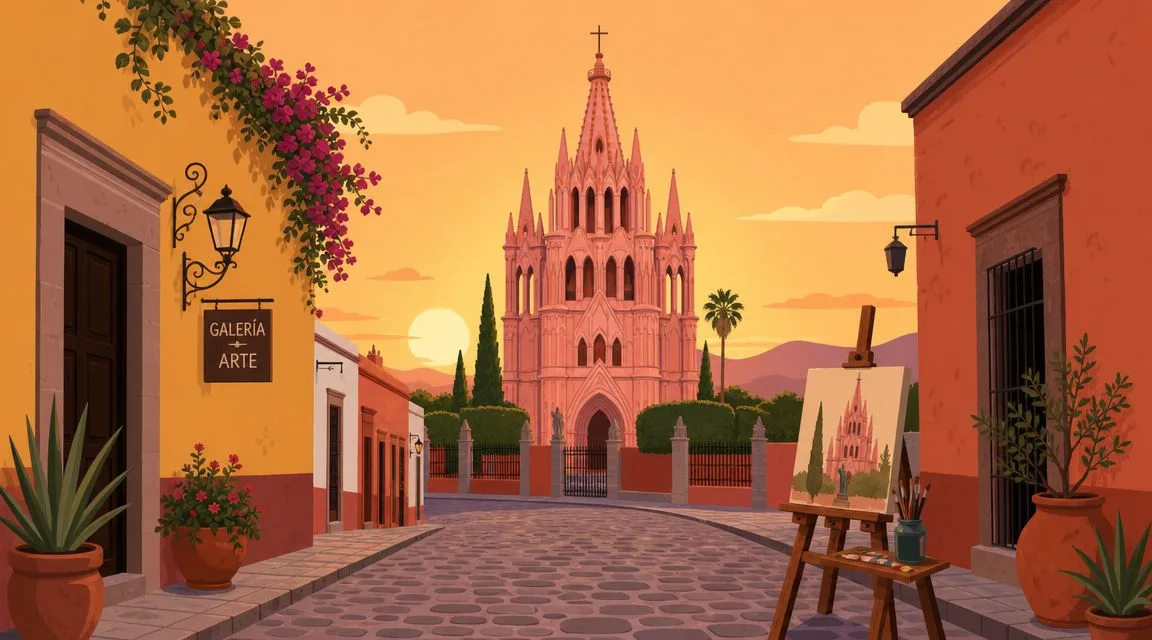
San Miguel de Allende earns its place near the top of almost every serious relocation shortlist because it combines a small-city feel with an unusually established international profile. One expat roundup describes Guanajuato’s colonial core as a small highland city of about 80,000 residents, and mainstream relocation guides consistently group San Miguel with major expat destinations such as Puerto Vallarta, Mérida, Lake Chapala, and Mexico City in long-running expat roundups for foreign retirees and relocators (expat city roundup covering Mexico’s best-known destinations).
Why San Miguel stays on shortlists
The draw is easy to understand once you spend time there. You get walkable streets, a deep arts and dining culture, and a social ecosystem that helps newcomers settle faster than they often do in less established markets. Buyers who want colonial architecture also find much more character here than in newer planned communities.
San Miguel works especially well for retirees, second-home buyers, remote workers with flexibility, and anyone who cares more about quality of place than speed or scale. It is not the easiest city for people with mobility issues if they insist on living in the historic core. Cobblestones and hills are beautiful until you’re doing them every day.
Practical rule: Rent before you buy if you’re choosing between Centro, Guadiana, San Antonio, Ojo de Agua, or a gated community. Daily convenience changes sharply by area.
Who does well here
San Miguel tends to reward buyers who are patient and specific. A restored colonial home near the center offers one lifestyle. A gated property in Vista Antigua or Malanquin offers another. Neither is automatically “better.” Ultimately, the question is whether you want to walk to cafés and galleries, or whether you want easier parking, quieter streets, and less upkeep.
For day-to-day decision-making, safety questions usually come up early. A useful local starting point is this guide to San Miguel de Allende safety, especially if you’re narrowing neighborhoods rather than judging the city as a whole.
2. Mérida – Yucatán’s Colonial Capital & Affordable Oasis
Mérida appeals to a different type of expat than San Miguel. It’s broader, flatter, hotter, and in many ways more practical for buyers who want a city with local depth rather than a highly concentrated foreign scene. You still get colonial architecture and strong identity, but the daily feel is less boutique and more lived-in.
For many people, that’s the point. Mérida can suit families, long-stay renters, and buyers who want room to spread out without feeling they’ve moved into an expat enclave first and a Mexican city second.
What life feels like on the ground
The strongest case for Mérida is balance. You get urban services, access to the Yucatán Peninsula, and a city large enough to support a full daily life without relying on tourism. People who want museums, markets, schools, shopping, and local neighborhoods all in one place often find it easier to settle here than in smaller heritage towns.
The trade-off is climate. Heat tolerance matters. A beautiful home that feels perfect in a short winter visit can feel very different when you’re paying for cooling and living through warmer months.
- Best for families: Neighborhoods with newer homes and pools often make more sense than romantic center-city properties if you plan to live year-round.
- Best for culture-first movers: Centro offers charm and architectural character, but older homes often require more maintenance planning.
- Best for remote workers: Test internet reliability and backup power options before signing a long lease.
Where buyers and renters often misjudge Mérida
People often underestimate how much climate shapes lifestyle. In cooler highland cities, you might use outdoor space all day. In Mérida, your day may shift around shade, air conditioning, and evening activity.
Mérida is often easier to live in than to idealize. That’s a compliment, not a criticism.
If you want a lower-drama move, Mérida deserves a close look. If your dream depends on cool evenings, steep cobblestone streets, and a more visibly international social scene, another city may suit you better.
3. Guadalajara – Cosmopolitan Metro with Modern Amenities
If San Miguel is the refined small-city option, Guadalajara is the “real city” answer. It’s a major metro with professional energy, broad dining and cultural options, large residential zones, and the kind of infrastructure many expats want once they move beyond fantasy planning and into real daily needs.
That makes it one of the strongest choices for professionals, families, and buyers who don’t want to depend on a tourism economy or a retirement-driven social loop.
Why Guadalajara works
Guadalajara gives you range. You can live in a leafy residential neighborhood, work in a modern business setting, and still have access to older districts with character. It also offers more varied housing stock than smaller expat cities. That matters if you want modern layouts, parking, larger kitchens, or a home office that doesn’t feel improvised.
For healthcare-minded expats, this category matters too. Large cities usually create more options for specialists, diagnostics, and follow-up care. That can outweigh charm very quickly once healthcare becomes part of the decision.
Best fit and common mistakes
Guadalajara usually works best for people who want Mexico without downsizing their expectations around city living. It’s often a better fit than a heritage town for executives, younger couples, and families with school-age children.
Common mistakes are predictable:
- Choosing nightlife over livability: A lively district can feel ideal for a scouting week and exhausting by month three.
- Ignoring traffic patterns: In a large metro, distance on a map doesn’t tell you much about daily convenience.
- Delaying private healthcare setup: In a city with strong medical options, it pays to organize coverage and provider relationships early.
People who thrive here usually pick neighborhoods first and city identity second. Chapalita, Providencia, and similar areas often appeal because they combine convenience with a more comfortable daily rhythm.
4. Oaxaca City – Artisan Capital & Cultural Immersion
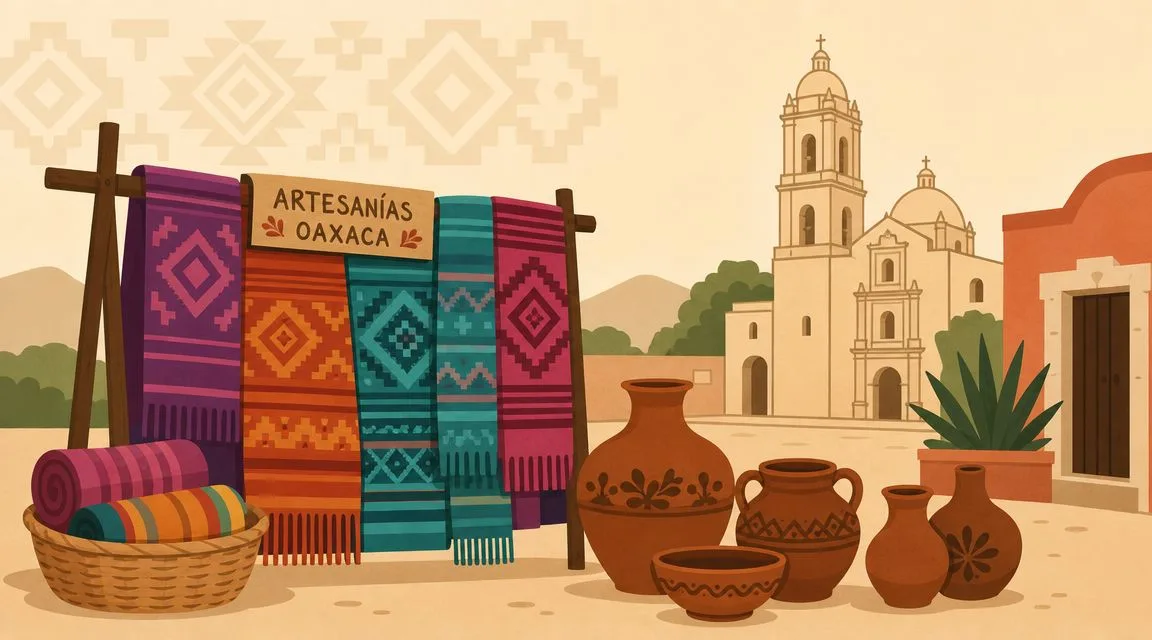
Oaxaca City isn’t the easiest move on this list, but for some expats it’s the most rewarding. It offers a thicker cultural experience than many relocation markets. Daily life feels tied to regional traditions, food, craft, and local rhythms in a way that can be harder to find in more internationalized destinations.
That also means Oaxaca is usually a stronger fit for people who want immersion, not just comfort.
What makes Oaxaca different
Oaxaca tends to attract artists, writers, creative professionals, food-focused travelers, and expats who are passionate about place. If you want to spend your days in polished sameness, look elsewhere. If you want local markets, workshop culture, regional cuisine, and neighborhoods with texture, Oaxaca is hard to beat.
The best version of life here is simple and engaged. You walk. You shop locally. You build routines in a smaller urban footprint. You accept that infrastructure can be less consistent than in larger metros.
On-the-ground advice: In Oaxaca, verify water access before you fall in love with finishes, views, or historic details.
What to verify before you commit
This is one of the cities where romance can cloud diligence. Buyers and renters should check practical systems early, especially water, internet quality, street noise, and access by car if that matters to them. A lovely property in a photogenic area can still be a frustrating full-time home if the basics aren’t right.
Oaxaca works best when you lean into its strengths instead of trying to force it into the mold of a larger, more service-heavy city. If you need highly polished convenience, Guadalajara or Querétaro may fit better. If you want culture to shape daily life, Oaxaca moves way up the list.
5. Querétaro – Colonial Charm with Modern Growth
Querétaro is often the answer people arrive at after they’ve looked at several Mexican cities and realized they want fewer extremes. They don’t want beach humidity, they don’t want the intensity of Mexico City, and they don’t want a relocation decision built entirely around an expat bubble. Querétaro offers a middle path that many practical movers find compelling.
It combines a historic center with modern residential development, business activity, and infrastructure that supports longer-term living.
Why practical movers like Querétaro
Querétaro tends to appeal to families, professionals, and buyers who want predictability. It has enough colonial charm to feel distinctly Mexican, but it also offers the order and convenience that many first-time expats value. If you’re planning a permanent move rather than an exploratory chapter, that matters.
It’s also a city where lifestyle segmentation is clearer. You can live near the historic center for atmosphere, or farther out for newer housing stock and more modern layouts. That flexibility helps buyers avoid forcing one ideal onto every stage of life.
What works best here
Querétaro rewards methodical decision-making. It’s a city where utilities, road access, commute patterns, and school or hospital proximity can matter more than postcard beauty. That doesn’t make it less attractive. It makes it easier to live in well.
A few habits help:
- Walk the area twice: Once in the morning, once in the evening. Neighborhood feel can change a lot.
- Check utility consistency: Ask directly about water pressure, service interruptions, and building management if relevant.
- Use Spanish actively: Integration tends to go better here if you don’t assume English-led systems will carry you.
For many people, Querétaro isn’t the most exciting answer. It may be the smartest one.
6. Puerto Vallarta – Pacific Beach Living with Expat Infrastructure
Puerto Vallarta remains one of Mexico’s most recognizable expat destinations because it offers beach lifestyle with a mature support system around it. That combination matters. Plenty of places are beautiful on arrival. Fewer places remain functional after the novelty wears off.
If you want ocean access, established foreign communities, and services oriented toward long stays, Puerto Vallarta still deserves serious attention.
Why Puerto Vallarta remains a staple
Beach markets often depend heavily on short-term tourism. Puerto Vallarta has that, but it also has a deeper relocation ecosystem. That makes it easier for newcomers to find housing, healthcare, social groups, and everyday services without building everything from scratch.
This is also one of the cities where expat density is part of the appeal and part of the caution. Large international communities can make arrival easier. They can also raise pricing pressure and make it easier to stay socially separate from local life.
A quick look at the city helps ground the appeal:
Beach ownership and daily-life realities
Puerto Vallarta suits retirees, lifestyle buyers, part-time residents, and anyone who wants warm-weather living with more built-in convenience than a smaller beach town usually offers. Condos can be especially attractive for people who don’t want the maintenance load of a detached home in a humid coastal environment.
There are practical issues to price correctly. Salt air affects finishes and systems. Building management quality matters. Seasonal crowd patterns affect some neighborhoods much more than others.
- For condo buyers: Review maintenance standards and reserve discipline, not just views and amenities.
- For house buyers: Check drainage, ventilation, and ongoing maintenance exposure.
- For all foreign buyers: Coastal ownership comes with added legal structure, so planning the ownership path early matters.
7. Cost of Living Comparison (Selected Cities)
Cost is where many relocation plans drift off course. Not because people ignore it, but because they compare cities using vacation behavior instead of lived behavior. A week in a stylish short-term rental tells you very little about what your monthly life will feel like.
The best Mexican city for expats often stops being “best” once everyday housing, transport, cooling costs, maintenance, and healthcare habits become real.
How to compare cities without fooling yourself
Start with categories, not assumptions. Colonial highland cities often reduce climate-control costs but can increase renovation or maintenance complexity in older homes. Beach cities may raise humidity-related upkeep and ownership administration. Larger metros can widen your housing choices but increase transport friction.
San Miguel is a good example of why broad labels like “cheap” or “expensive” aren’t enough. Within one city, your budget can change sharply depending on whether you rent a lock-and-leave condo, restore a colonial property, or buy in a gated development. For a city-specific budgeting lens, this guide to San Miguel de Allende cost of living is a useful starting point.
The smartest budget is the one built around your routine, not somebody else’s retirement fantasy.
What usually changes the budget fastest
A few budget drivers matter more than people expect:
- Housing style: Historic homes can carry different upkeep demands than newer turnkey properties.
- Climate response: Air conditioning, dehumidification, and weather-related maintenance add up.
- Transport habits: Walkable living can offset car ownership and frequent ride costs.
- Medical preferences: Private care, insurance choices, and provider access change your monthly reality.
This is why side-by-side city comparison matters more than headlines. A city can look affordable in theory and still be expensive for the way you want to live.
8. Visa & Residency Overview
Most expats shouldn’t choose a city before they understand the residency path. The city can wait a little. Your legal footing can’t. If you intend to stay beyond a short exploratory period, you’ll want to confirm current requirements directly with the Mexican consulate handling your case, because thresholds and interpretations can vary by consular office.
That practical point matters more than online certainty.
What most expats need to know first
In broad terms, many foreigners begin with a tourist stay for scouting, then move toward temporary or permanent residency if they plan to live in Mexico on a longer basis. Temporary residency is often the first logical step for people who are relocating but still testing fit. Permanent residency is usually more attractive to those who already know Mexico will be a long-term base.
The city you choose can affect process convenience, but not the core legal framework. Large expat destinations tend to offer easier access to immigration facilitators, bilingual legal help, and established workflows around renewals and document handling.
- Verify with your consulate: Financial thresholds and required documents can differ.
- Use local immigration support when needed: It often saves time and confusion on renewals and in-country steps.
- Keep copies of everything: Residency files get easier when your records are organized from the start.
Property ownership and coastal restrictions
Property ownership rules matter too. Inland cities such as San Miguel de Allende, Mérida, Guadalajara, Oaxaca, and Querétaro generally present a more straightforward purchase path for foreign buyers than restricted coastal zones. Coastal purchases often require additional legal structure, and that should be priced into the decision from the beginning.
Don’t treat visa planning and property planning as separate tracks. They overlap more than many buyers expect, especially when timing, tax considerations, and long-term use all come into play.
9. Healthcare & Accessibility Overview
Healthcare becomes more important the longer you plan to stay. Even younger expats who move for lifestyle reasons usually become more selective about providers, diagnostics, pharmacies, and emergency access once they start living somewhere full time.
This is one of the clearest separators between cities that are charming to visit and cities that are easy to live in.
What good access looks like
For most expats, “good healthcare” means more than having a clinic nearby. It means access to private hospitals, specialists, clear transport routes, and neighborhoods that don’t make basic appointments harder than they need to be. If you’re older, managing a condition, or relocating with family, this category should carry serious weight.
Mexico City is the strongest example in this regard among major markets. Newland Chase notes that districts such as Polanco are favored by expats because they combine safety, proximity to business districts, and access to world-class private hospitals and clinics (Mexico City expat relocation guide highlighting Polanco). Even if you don’t plan to live in Mexico City, that framework is useful. High-income expats tend to filter cities through healthcare, mobility, and neighborhood security first.
How the featured cities differ
Guadalajara and Querétaro usually appeal to expats who want stronger urban medical access without the scale of Mexico City. Puerto Vallarta works well for many retirees and seasonal residents because its expat infrastructure supports healthcare navigation more easily than smaller coastal towns. San Miguel functions well for many residents, but some buyers still prefer to think regionally about specialist access and airport connectivity.
Oaxaca and Mérida depend more on your expectations. Both can work well. The right question isn’t whether care exists. It’s whether the level and ease of access match your medical profile and risk tolerance.
10. Expat Community Patterns & Practical Tips
Large expat communities are helpful, but they aren’t automatically better. That’s one of the most overlooked parts of relocation planning. A big foreign population can make arrival easier, but it can also reshape pricing, social habits, and the kind of Mexico you experience.
This trade-off matters in the biggest expat hubs. San Miguel de Allende is repeatedly described as attractive for its UNESCO setting, mild climate, and large U.S. expat community, while Mexico City remains a major draw for remote workers and younger professionals. Existing coverage often skips the harder question of whether expat-heavy markets also create more competition for housing, a more internationalized cost base, or a more insulated social environment (discussion of expat concentration and integration trade-offs).
The upside and downside of expat hubs
The upside is obvious. You find English-speaking services more easily. You can meet people quickly. You get referrals for doctors, lawyers, contractors, and social groups without much friction.
The downside is slower integration if you let comfort make all your choices. Some expats move to Mexico and recreate a narrow version of home with better weather. That may be fine for some people. It’s limiting for many others.
If you want the move to feel richer after year one, build local routines before you build an expat identity.
How to relocate with fewer surprises
A few relocation habits work across almost every city on this list:
- Scout neighborhoods, not just cities: A strong city choice can still fail if the neighborhood is wrong for your routine.
- Learn practical Spanish early: Even basic fluency changes healthcare, housing, service calls, and social life.
- Rent long enough to notice frictions: Water, noise, traffic, hills, heat, and management quality don’t reveal themselves in a short stay.
- Understand the buying process before making offers: This guide to buying property in Mexico as an American is a useful starting point for foreign buyers thinking beyond rentals.
Top 10 Mexican Cities for Expats, Side-by-Side Comparison
| Item | Relocation Complexity 🔄 | Cost & Resources ⚡ | Lifestyle & Expected Outcomes 📊⭐ | Ideal Use Cases & Tips 💡 |
|---|---|---|---|---|
| San Miguel de Allende – Colonial Heart & UNESCO Heritage | Moderate, inland purchases straightforward (no fideicomiso); expect legal/notary fees | $2,500–$4,500/mo; property $300K–$1.5M+; utilities $100–$200 | High cultural/arts scene, temperate climate, excellent private healthcare | Ideal for retirees, artists, cultural seekers. Tip: visit rainy season; budget for legal services |
| Mérida – Yucatán's Colonial Capital & Affordable Oasis | Low–Moderate, inland ownership easy; growing expat services | $1,800–$2,800/mo; property $150K–$500K; lower groceries/utilities | Affordable tropical lifestyle, rich cuisine/culture, growing healthcare capacity | Ideal for budget-conscious expats and proximity to beaches. Tip: budget for AC and learn Spanish |
| Guadalajara – Cosmopolitan Metro with Modern Amenities | Moderate, metropolitan paperwork, strong expat infrastructure | $2,200–$3,500/mo; property $250K–$800K+; reliable utilities | Urban living with world-class hospitals, international schools, robust job market | Ideal for professionals, families. Tip: choose Chapalita/Providencia for best expat experience |
| Oaxaca City – Artisan Capital & Cultural Immersion | Low, inland ownership simple but limited specialized services | $1,500–$2,200/mo; property $100K–$350K; low utilities | Strong gastronomy and artisan culture, mild climate, limited advanced healthcare | Ideal for artists, food/culture enthusiasts. Tip: verify water access and internet for remote work |
| Querétaro – Colonial Charm with Modern Growth | Moderate, good infrastructure, fewer expat services than major metros | $2,000–$3,200/mo; property $200K–$600K; improving utilities | Balanced colonial charm with modern growth and good healthcare | Ideal for professionals seeking balance. Tip: explore Centro and confirm utility reliability |
| Puerto Vallarta – Pacific Beach Living with Expat Infrastructure | Higher, coastal purchases require fideicomiso (2–3% annual) and extra administration | $2,500–$4,000/mo; property $250K–$1M+; higher utilities and maintenance | Beach lifestyle with large expat community and excellent private healthcare | Ideal for beach lovers and retirees. Tip: factor fideicomiso and salt-air maintenance costs |
| Cost of Living Comparison (Selected Cities) | N/A, overview for budgeting | Ranges: San Miguel $2.5–4.5K; Mérida $1.8–2.8K; Guadalajara $2.2–3.5K; Oaxaca $1.5–2.2K; Querétaro $2.0–3.2K; Puerto Vallarta $2.5–4.0K | Quick high-level impact assessment for monthly budgeting | Ideal as a quick budgeting tool. Tip: expect coastal/premium neighborhoods at higher end |
| Visa & Residency Overview | Process-focused, tourist 180-day FMM; temporary/permanent resident rules apply | Permanent resident: ~ $2,700/mo income or ~$42,500 savings; fideicomiso for restricted zones | Clarifies residency outcomes and ownership constraints; reduces surprises | Ideal for long-term planners. Tip: verify thresholds with consulate and use immigration counsel |
| Healthcare & Accessibility Overview | N/A, comparative summary (city-dependent access) | Insurance commonly $80–$400/mo depending on coverage and city | Summarizes care quality: Guadalajara & Puerto Vallarta best for advanced care; Oaxaca more limited | Ideal for those prioritizing medical access. Tip: maintain supplemental international or homeland coverage |
| Expat Community Patterns & Practical Tips | N/A, social integration guidance | Community sizes vary: Puerto Vallarta 10K–15K; San Miguel 8K–10K; Guadalajara 3K–5K; others smaller | Helps set expectations for services and social support across cities | Ideal for community-seeking movers. Tip: join local expat groups early; visit multiple seasons |
Your Next Chapter Awaits: How to Choose Your Mexican Home
Choosing the best Mexican city for expats isn’t really about finding the single “top” destination. It’s about finding the place where your daily life will work with the least friction and the most satisfaction. That sounds obvious, but many relocation mistakes happen because people choose an identity first and a lifestyle second. They pick “colonial charm,” “beach living,” or “big city energy” before they’ve tested what that means for housing, healthcare, mobility, climate, and community.
San Miguel de Allende stands out when you want beauty, culture, walkability, and one of Mexico’s most established international communities. It’s especially strong for buyers who value architecture, social life, and a polished relocation ecosystem. Mérida works well for people who want a larger local city with heritage, access to the Yucatán lifestyle, and a more grounded daily rhythm. Guadalajara and Querétaro are excellent for buyers who care about practical infrastructure, modern amenities, and long-term livability. Oaxaca City rewards people who want immersion and don’t need everything to feel frictionless. Puerto Vallarta remains one of the best choices for people who want the coast without giving up the support that mature expat infrastructure can offer.
The right next step is rarely buying immediately. It’s usually narrowing your shortlist to two or three cities, then taking a scouting trip with a clear agenda. Walk neighborhoods in the morning and evening. Test grocery runs, transportation, internet, and noise levels. Visit private hospitals. Sit in the plazas, not just the rooftops. Notice what feels easy and what would become tiring. That’s the information that matters.
If San Miguel de Allende keeps rising to the top for you, that makes sense. It has the rare mix of cultural prestige, everyday charm, and enduring appeal that keeps it at the center of serious expat conversations year after year. For buyers who want guidance in that market, local expertise matters. Neighborhood choice, property type, legal coordination, and lifestyle fit all affect whether a purchase feels wise six months after closing.
Inside San Miguel is built for that level of support. If your next chapter may begin in San Miguel de Allende, the team can help you move from broad interest to a clear, well-informed plan.
If San Miguel de Allende is on your shortlist, Inside San Miguel offers boutique guidance designed for international buyers who want more than listings. You can explore neighborhoods, compare colonial homes with gated communities, and get grounded advice on the purchase process, due diligence, and lifestyle fit before making a move.