


A typical buyer's weekend in San Miguel starts well. Breakfast on a terrace, a walk through the centro, maybe a few property tours by late morning. The true test comes the next day, when you leave town and see what the region adds to daily life.
That regional access shapes the ownership experience more than many international buyers expect. San Miguel is not only a beautiful historic center. It functions as a base for nearby cultural, culinary, wellness, and heritage destinations that are close enough to use regularly, without turning every outing into a production. For buyers deciding whether the city will still feel rewarding after the first year, that distinction carries real weight.
I encourage clients to treat these day trips as part of due diligence, not just leisure, because they reveal your likely rhythm of living. A strong day trip shows more than scenery. It shows how easily you can move between quiet residential life, serious cultural programming, weekend hospitality, and the broader economic orbit of the Bajío.
That has practical implications for property decisions. Buyers who want a walkable in-town lifestyle often care just as much about access to museums, vineyards, pilgrimage sites, design traditions, and secondary cities with strong services. Buyers looking at part-time residency usually want the opposite balance. They need variety close at hand, but not the congestion and pace of a larger metro base. San Miguel works well because it sits in that middle ground.
If you are still building your shortlist of local experiences, this guide to what to do in San Miguel de Allende gives useful context for the in-town side of that lifestyle.
The day trips in this guide were chosen with that wider lens in mind. Each one says something different about the San Miguel lifestyle, from cultural depth and weekend flexibility to the kind of regional access that supports long-term enjoyment and, in many cases, stronger buyer confidence.
Table of Contents
- 1. Guanajuato City Colonial Architecture & Underground Streets Tour
- 2. Dolores Hidalgo Birthplace of Mexican Independence & Talavera Pottery
- 3. Atotonilco Sanctuary of Jesús Nazareno & Sacred Art Pilgrimage
- 4. Mineral de Pozos Ghost Town & Artisan Revival Trail
- 5. Tequisquiapan Wine Country & Thermal Spas Day Retreat
- 6. Querétaro City Colonial Architecture, Baroque Churches & Urban Culture
- 7. San Antonio de Padua Thermal Waters & Indigenous Heritage Pueblo Mágico
- 8. Celaya Regional Art & Agricultural Heritage Visit with Local Markets
- Compare 8 Day Trips from San Miguel de Allende
- Integrating Regional Exploration into Your San Miguel Lifestyle
1. Guanajuato City Colonial Architecture & Underground Streets Tour
Guanajuato City is one of the most illuminating day trips San Miguel de Allende offers if you're trying to understand the region's cultural hierarchy. San Miguel gives you intimacy, elegance, and a residential scale that many expats love. Guanajuato gives you density, drama, and a more theatrical urban experience.
If you're already exploring what to do in San Miguel de Allende, this outing is the perfect contrast piece. It shows what a larger heritage city feels like when its identity was shaped by mining wealth, steep topography, and a more layered public realm.
Why It Matters to Buyers
A buyer who only stays inside central San Miguel can miss an important point. The appeal of owning here isn't just your immediate neighborhood. It's access to a regional cultural network. Guanajuato City broadens your sense of what “living well” in Central Mexico can include, from major plazas to monumental civic spaces and restored hospitality properties such as the Embajadores Hotel, Casa Valadez, and La Noria.
The city's underground streets are memorable, but they also create a useful lesson in trade-offs. Guanajuato is exciting and visually rich. It's also less intuitive to get around by car and less restful than San Miguel for everyday living. Many luxury buyers come back from the visit more certain that San Miguel offers the better residential base, precisely because Guanajuato is so stimulating in smaller doses.
A first look helps orient the city's unusual layout.
What Works and What Doesn't
Arrive early, ideally before the city feels compressed by traffic and tour groups. Start at the mirador if you want immediate visual orientation. That single move saves time and reduces the common mistake of wandering without understanding the terrain.
Practical rule: Park near Teatro Juárez in a validated lot and walk. Driving deep into the callejones rarely rewards the effort.
A few tactics consistently work better than improvised sightseeing:
- Wear proper shoes: The cobblestones and inclines punish slick soles.
- Hire a local guide: Guanajuato's mining history and hidden passages make far more sense with context.
- Use a weekday if possible: The city feels more livable and less performative.
- Allow a real half day: Rushing this visit usually turns it into a checklist instead of an immersion.
What doesn't work is trying to compare it directly to San Miguel on charm alone. Guanajuato is less about serenity and more about spectacle. That's exactly why it belongs on your shortlist of regional outings.
2. Dolores Hidalgo Birthplace of Mexican Independence & Talavera Pottery
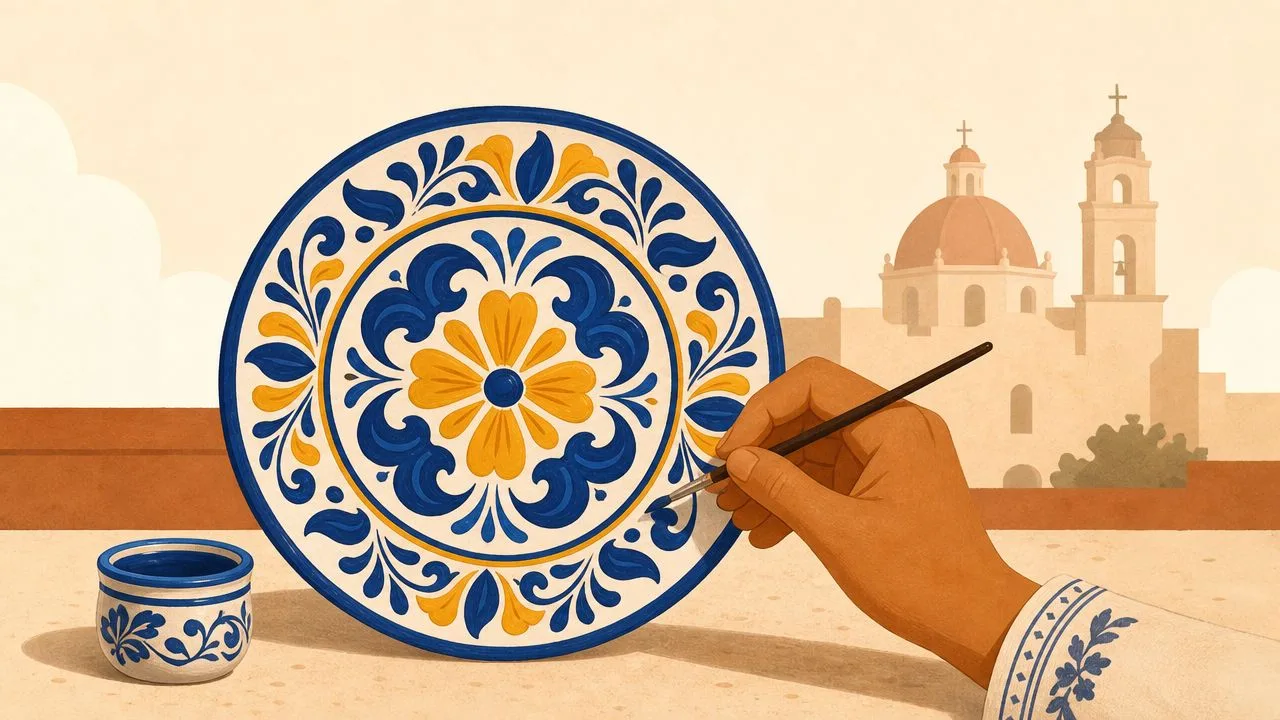
By 10:30 a.m., Dolores Hidalgo usually tells you what kind of outing it will be. The main square is active, church bells cut through the traffic, and workshop shelves are already filling with buyers comparing glaze, weight, and finish. For San Miguel residents and prospective buyers, that matters because Dolores is less about spectacle and more about regional substance. It shows how history, craftsmanship, and everyday commerce still function together within easy reach of home.
Dolores Hidalgo carries national importance as the birthplace of Mexican Independence, but the town earns its place on this list for another reason too. It gives international homeowners a practical read on the cultural network around San Miguel. Places with strong nearby artisan centers tend to support better collecting, more informed interior design choices, and a stronger sense of local continuity. That has real lifestyle value once you are living here full time.
Why Dolores Adds Context to San Miguel
San Miguel often introduces buyers to colonial architecture, dining, and design culture. Dolores explains where part of that aesthetic vocabulary comes from. The town still produces ceramics and decorative pieces tied to regional craft traditions, which makes it useful for anyone furnishing a home with more discrimination than a quick pass through retail galleries allows.
Buying directly from workshops changes the conversation. You can inspect firing quality, ask whether a piece is decorative or durable enough for regular use, and order sets that fit your table or kitchen palette. I usually advise clients to treat Dolores as a sourcing trip as much as a cultural visit. That approach produces better purchases and fewer expensive impulse buys back in San Miguel.
Go in the morning if pottery is the priority. Artisans are working, inventory is easier to assess, and the town feels more authentic before midday traffic builds.
Best Use of the Day
Keep the itinerary focused. Start in the historic center with the parish and main civic landmarks, then shift quickly to pottery workshops while your attention is still fresh. The center gives you historical context. The workshops give you the part of the trip that can shape how your home in San Miguel looks and feels.
Casa de los Conspiradores and the Plaza Principal are worthwhile if you want political and civic context without committing the entire day to museums. For many expats, that is the right balance. Dolores rewards curiosity, but it does not need an overplanned schedule.
If you are still organizing your broader regional logistics, this guide on how to get to San Miguel de Allende helps clarify access before you start planning side trips from your home base.
A few trade-offs deserve clear attention:
- Strong fit for culturally motivated buyers: Dolores rewards people who care about provenance, craftsmanship, and historical depth.
- Less compelling for clients seeking polish or nightlife: The appeal here is civic and artisanal, not refined evening energy.
- A smart design-focused outing: Workshop purchases often make more sense than buying similar ceramics later at gallery-level pricing.
- Easy to combine, but only if paced carefully: Pairing Dolores with Atotonilco works well, though pottery shopping deserves unhurried time.
Dolores Hidalgo leaves a different impression than the region's more photogenic destinations. It sharpens your understanding of why San Miguel works so well as a residential base. You get beauty in San Miguel. In Dolores, you see part of the cultural supply chain that sustains it.
3. Atotonilco Sanctuary of Jesús Nazareno & Sacred Art Pilgrimage
Atotonilco is one of the shortest and most meaningful excursions near San Miguel. It's the kind of place that changes how you understand the area's spiritual and artistic inheritance. That's especially important if you're buying here for more than weather and architecture.
The sanctuary sits close to San Miguel and is often paired with Dolores Hidalgo, but it deserves focused attention on its own. This is not a stop to rush through between meals. It's a place to slow your pace and look carefully.
Why This Half Day Trip Matters
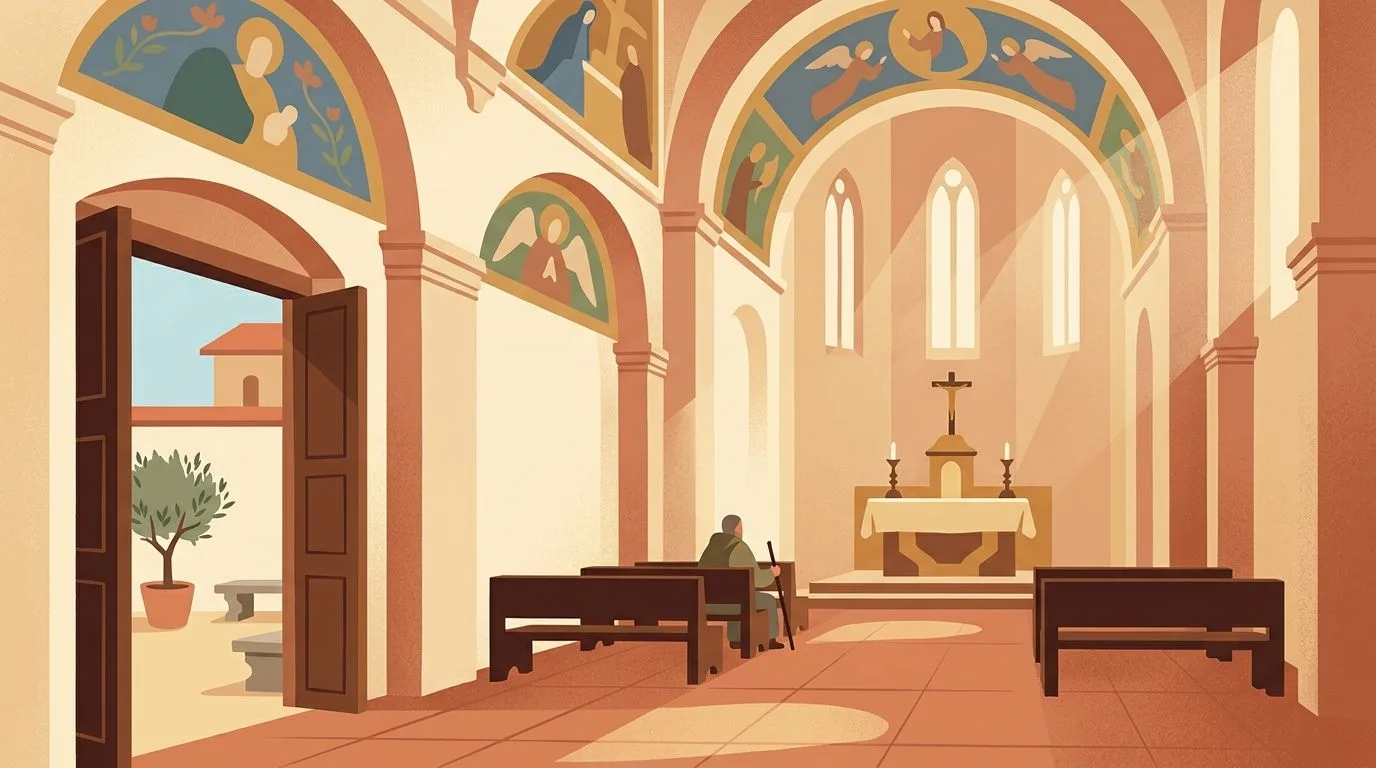
Atotonilco is a notable spiritual stop in the region, and that role contributes to the broader cultural density that makes San Miguel an unusually rich place to own property, as noted earlier in the regional day-trip reference. The sanctuary's murals, retablos, ex-votos, and devotional atmosphere show that the region's beauty isn't only decorative. It is also lived and ritualized.
That distinction matters for discerning expats. A city with nearby sacred sites of real depth tends to sustain a stronger sense of place than one built mainly around hospitality. You feel that difference over time.
How to Visit Well
Go early if you want stillness, or late in the day if you care about light filtering through the chapel windows. Both work. Midday can flatten the mood and make the visit feel more transactional.
Dress with respect, even if you're not religious. This remains an active place of worship, not just an art site. Keep your phone use minimal and don't expect the mood of a museum.
A good rhythm looks like this:
- Keep the schedule light: This works best as a half-day, not a marathon outing.
- Read a little beforehand: Some iconography is easy to miss without context.
- Pair it with breakfast or lunch in San Miguel: Let the visit breathe instead of stacking too many stops.
- Choose weekdays when possible: The space feels more contemplative.
Some places tell you what a region looks like. Atotonilco tells you what it believes.
For property buyers, that's not abstract. The strongest markets with lasting allure usually sit inside a deeper civilizational fabric. Atotonilco helps make that visible.
4. Mineral de Pozos Ghost Town & Artisan Revival Trail
Mineral de Pozos appeals to a certain kind of buyer immediately. If you're drawn to adaptive reuse, creative communities, and places that still feel slightly undiscovered, this is one of the more revealing day trips from San Miguel de Allende.
The town's mining past is visible in its ruins and sparse drama, but the more interesting story today is its revival. Restored buildings now hold galleries, cafés, workshops, and small hospitality concepts. That mix makes Pozos useful not only as an outing, but as a case study in how culture-led placemaking evolves.
What Mineral de Pozos Reveals
Pozos can sharpen your instincts as an investor. You see what happens when artists, small entrepreneurs, and design-minded restorers start building a new identity on top of an old industrial shell. Places like Casa Blanca Gallery, Café de Ofelia, and the Pozos School of Art and Culture signal that the town's appeal is no longer based only on nostalgia.
That said, not every buyer will connect with it. Pozos is quieter, rougher around the edges, and more intermittent in its rhythm than San Miguel. Some people read that as authenticity. Others read it as limited convenience. Both responses are fair.
Watch for this: A town can be charming in a day and frustrating in a week. Pozos works best when you evaluate both feelings honestly.
How to Structure the Day
This trip benefits from modest expectations and a flexible attitude. Posted hours can be inconsistent, some studios require appointments, and the most rewarding conversations often happen because you asked a local what's open rather than because an online listing was current.
Use the day well by focusing on three things:
- A gallery or studio circuit: Buy directly from artists when you find work with staying power.
- A proper lunch stop: Don't rely on the smallest cafés to be fully operational all day.
- Daylight driving: Rural roads are manageable, but this isn't a route I'd leave for late evening.
If your interest in San Miguel includes the surrounding creative economy, Pozos deserves attention. It won't replace San Miguel's sophistication. It will deepen your understanding of why the wider region continues to attract people who value art, restoration, and slower forms of luxury.
5. Tequisquiapan Wine Country & Thermal Spas Day Retreat
You spend the morning showing visiting friends why San Miguel feels so livable, then by early afternoon the question shifts from real estate to routine: where do you go nearby for a restorative day that feels polished, social, and easy to repeat? Tequisquiapan answers that question better than many buyers expect.
For international homeowners and expats, this trip is less about checking off wineries and more about testing a lifestyle layer that supports long-term ownership in San Miguel. A town within day-trip range that offers wine tasting, spa time, and an attractive historic core adds practical value to life here. It gives you a credible option for hosting guests, marking anniversaries, or taking a quiet reset without the logistical weight of a weekend away.
Why Tequisquiapan Matters to San Miguel Buyers
Tequisquiapan sits in a broader Central Mexico leisure corridor that has grown well beyond colonial sightseeing. The appeal is clear on the ground. Vineyards, boutique hospitality, thermal water properties, and food-focused stops create a different kind of regional access than the church-and-museum circuit.
That matters because buyers are not choosing a house in isolation. They are choosing a radius of experiences.
A market with strong nearby wellness and wine destinations tends to feel more durable to second-home owners and retirees, especially those comparing San Miguel with places that may offer beauty but fewer repeatable outings. Tequisquiapan helps round out the case for San Miguel as a base. It suggests a life with cultural depth during the week and restorative escapes on demand.
The best version of this day combines one winery, one thermal or spa stop, and an unhurried lunch. Trying to do more usually weakens the experience.
What the Day Actually Offers
Tequisquiapan works best for buyers who want refinement without the formality of a major wine region. Some properties are charming and well run. Others feel more local, more casual, and less consistent in service. That trade-off is part of the evaluation.
If you enjoy San Miguel because it balances beauty with flexibility, Tequisquiapan will likely feel compatible. If you expect every stop to perform at the level of Napa, the day can disappoint. The smarter approach is to choose for atmosphere and pacing rather than trying to chase prestige.
A few elements usually justify the drive:
- Wine country within reach: Good for entertaining houseguests who want an elegant outing without a long transfer.
- Thermal waters and spa culture: Useful if wellness is part of how you plan to live, not just vacation.
- A compact town center: Easy to pair with shopping, coffee, or a relaxed lunch.
- A different social rhythm: More leisure-oriented than San Miguel, with less visual drama and less cultural density.
That last point matters. Tequisquiapan is not a substitute for San Miguel's architecture, art calendar, or civic energy. It complements them. Buyers who understand that distinction usually get more from the outing.
If you are planning your annual calendar around cultural events, holidays, and guest visits, the timing of this retreat pairs well with the broader regional schedule outlined in this guide to 2026 festivals in San Miguel de Allende. Spa-and-wine days work best when they support how you live here through the year.
Practical Planning Notes
Advance planning improves this trip. Spa properties can fill up on weekends, and smaller wineries often deliver a better experience when they know you are coming.
Use a simple structure:
- Reserve the thermal or spa stop first: That sets the backbone of the day.
- Confirm tasting availability directly: Do not assume every vineyard handles walk-ins well.
- Keep the schedule light: One tasting and one wellness stop is usually enough.
- Bring what the property may not provide well: Swimsuit, sandals, sunscreen, and a change of clothes.
I also recommend watching the day of the week closely. Midweek visits tend to feel calmer and better aligned with the kind of discretionary lifestyle many expat owners want. Weekends can still be enjoyable, but they often show you a busier, noisier version of the destination.
Tequisquiapan earns its place on this list because it reveals something useful about San Miguel ownership. Life here is not only about what sits inside the city limits. It is also about the quality of the region around you, and whether that region gives you enough variety to keep daily life interesting after the honeymoon phase ends. On that test, Tequisquiapan performs well.
6. Querétaro City Colonial Architecture, Baroque Churches & Urban Culture
A buyer spends the morning in San Miguel, where scale, texture, and daily life feel intimate. By late afternoon in Querétaro, the comparison sharpens. Wider avenues, larger institutions, stronger business infrastructure, and a denser urban rhythm answer a question many international buyers eventually ask. Do you want a heritage city with metropolitan capacity nearby, or do you want to live inside that larger system every day?
Querétaro is close enough for a comfortable day trip from San Miguel and different enough to test your instincts. I often recommend it to clients who are still deciding how much city they want in their week. The visit usually clarifies more than a stack of listings ever could.
Why Querétaro Matters to a San Miguel Buyer
Querétaro's historic center shows colonial architecture at a bigger civic scale. The churches are more monumental, the plazas feel more formal, and the urban fabric supports a broader range of offices, schools, medical services, and cultural venues. For an expat or second-home owner, that matters. It reveals what San Miguel gains by staying smaller, and what it gives up.
That trade-off affects lifestyle and, indirectly, buying strategy.
Some buyers leave Querétaro impressed by the convenience and professional infrastructure, then start asking different questions about airport access, healthcare networks, and long-term rental demand. Others return to San Miguel with more conviction because Querétaro confirms that they do not want a faster, more transactional daily environment. Either outcome is useful.
How to Structure the Day Well
Querétaro rewards selectivity. A focused route through the historic core, one church with time to look closely, one museum, and a proper lunch usually works better than trying to collect landmarks.
Good options include Museo de Arte de Querétaro, Santa Rosa de Viterbo, and the civic buildings around the old center. The aqueduct is worth saving for later in the day, when the light softens and the scale reads better. If architecture is your priority, hire a guide who can explain stylistic differences rather than recite dates alone. The value here comes from context.
If public culture influences where you buy, compare this outing with San Miguel's annual programming through this guide to festivals in San Miguel de Allende in 2026, traditions, art, and culture. It helps frame the difference between living near a major regional capital and living in a smaller cultural center with an unusually strong arts identity.
A few practical choices improve the day:
- Park once and stay on foot: Querétaro's center is easier to understand when you experience it as a continuous urban fabric.
- Book lunch intentionally: A long meal in the center tells you more about the city's social rhythm than one more museum stop.
- Avoid overloading the schedule: This city is better for comparison than completion.
- Go on a weekday if possible: You'll get a truer read on how the city functions beyond weekend tourism.
Querétaro works as a reference point, not a rival. For luxury homebuyers and expats based in San Miguel, that reference point has real value. It shows that your property decision is not only about one beautiful town. It is also about the quality, scale, and flexibility of the region that surrounds it.
7. San Antonio de Padua Thermal Waters & Indigenous Heritage Pueblo Mágico
San Antonio de Padua is the kind of outing that many visitors overlook and residents often appreciate more over time. It doesn't compete on grandeur. It succeeds because it's close, manageable, and rooted in everyday regional life.
For expats, that matters. Not every satisfying excursion needs to be an event. Some of the best day trips San Miguel de Allende residents take are modest ones that restore your sense of local texture.
Why This Small Outing Has Outsized Lifestyle Value
This stop combines thermal water culture, local food, and a connection to Otomí heritage in a compact format. The appeal is less about monumental sightseeing and more about access to ordinary pleasures that still feel culturally specific.
If you're assessing San Miguel as a base for long-term living, nearby places like this strengthen the case. They suggest that your life here can include spontaneous half-days, direct artisan purchases, and small rituals of wellness without requiring heavy planning.
What to Prioritize
This is not a place to overengineer. Bring cash, accept a simpler rhythm, and let the day stay light. A family-run balneario, a local meal, and a stop with an artisan cooperative are enough.
What usually works best:
- Visit midweek: The atmosphere is calmer and more local.
- Ask residents where artisans are selling: The best finds may not be formally signposted.
- Eat before returning to San Miguel: Family-run kitchens often become part of the memory.
- Drive in daylight: Rural roads are easier when visibility is clear.
What doesn't work is expecting highly curated luxury. This trip earns its place because it reveals regional habits of living that more polished destinations sometimes conceal. Buyers who understand that usually get more from San Miguel itself.
8. Celaya Regional Art & Agricultural Heritage Visit with Local Markets
Celaya rarely appears first on a dream itinerary, but that's exactly why it can be useful. If you want to understand the broader ecosystem that supports life in San Miguel, you need at least one outing that feels more commercial, local, and economically grounded.
This is not the trip for fantasy. It's the trip for perspective. You see agriculture, markets, traditional sweets, and the daily mechanics of a regional city. For investors and practical-minded expats, that's valuable information.
Why Celaya Is Useful for Serious Buyers
San Miguel can seem self-contained when viewed only through luxury hotels, galleries, and well-restored colonial streets. Celaya reminds you that the region also runs on production, distribution, and local consumption. Visits to a central market, cajeta producers, and civic spaces create a fuller picture of how the area lives beyond tourism.
That broader view often improves buyer judgment. It helps separate what is beautiful from what is structurally resilient. Those aren't always the same thing, and smart relocation decisions benefit from seeing both.
Smart Expectations for the Visit
Go early if markets are your priority. Morning offers the best energy, the best produce displays, and the clearest view of who shops there. If you can arrange a cajeta factory visit in advance, do it. The town's confectionary identity is one of its most recognizable living traditions.
Go with curiosity, not polish as your standard. Celaya is more rewarding when you treat it as a real regional city instead of a staged attraction.
A few practical notes help:
- Hire a local guide if possible: Navigation and context improve quickly.
- Wear comfortable shoes: Markets and central districts involve plenty of walking.
- Carry a small bag for purchases: Sweets and market items accumulate fast.
- Choose lunch carefully: Ask a hotel concierge or trusted local contact for a current recommendation.
Celaya won't persuade you emotionally the way San Miguel can. It will make you smarter about the region. That's a different kind of value, and for many buyers it's the more durable one.
Compare 8 Day Trips from San Miguel de Allende
| Destination | Visit Complexity 🔄 | Resources Required ⚡ | Expected Outcomes 📊 | Ideal Use Cases 💡 | Key Advantages ⭐ |
|---|---|---|---|---|---|
| Guanajuato City Colonial Architecture & Underground Streets Tour | Moderate 🔄, 40 min drive, steep cobblestones, limited parking | 4–6 hrs, comfortable shoes, guide recommended, moderate budget | Strong cultural/artistic insight; regional property-value context ⭐⭐⭐⭐ | Luxury buyers assessing cultural immersion and heritage-driven value | UNESCO status, murals, panoramic viewpoints, quality dining |
| Dolores Hidalgo Birthplace of Mexican Independence & Talavera Pottery | Low 🔄, 30 min drive, compact, easy walking | 4–5 hrs, cash for purchases, modest budget | Deep artisan and independence-history understanding; décor sourcing ⭐⭐⭐⭐ | Buyers interested in authentic crafts, colonial heritage, shopping for Talavera | Direct access to Talavera workshops, close proximity, manageable itinerary |
| Atotonilco Sanctuary of Jesús Nazareno & Sacred Art Pilgrimage | Low 🔄, 15 min drive, short visit, modest facilities | 1.5–2 hrs, modest donation, respectful dress, quiet timing | High spiritual and art-historical value; strong cultural amenity for residents ⭐⭐⭐⭐ | Art collectors and buyers valuing spiritual/cultural proximity | UNESCO murals, intact Baroque sacred art, contemplative atmosphere |
| Mineral de Pozos Ghost Town & Artisan Revival Trail | Moderate 🔄, ~40 min drive, variable roads, developing infra | 5–6 hrs, daylight travel, car recommended, cash/cards limited | Insight into creative-community redevelopment and investment trajectories ⭐⭐⭐ | Investors studying community-driven appreciation and creative economies | Bohemian artisan scene, lower property prices, unique galleries and studios |
| Tequisquiapan Wine Country & Thermal Spas Day Retreat | Moderate 🔄, ~50 min drive, spa bookings advised, weekend crowds | 6–7 hrs, spa reservations, swimwear, moderate–high budget | Wellness and resort-amenity understanding; lifestyle amenity validation ⭐⭐⭐⭐ | Wellness-focused buyers and families seeking resort-style amenities | Thermal springs, emerging wineries, spa and gastronomic offerings |
| Querétaro City Colonial Architecture, Baroque Churches & Urban Culture | Higher 🔄, ~60 min drive, larger urban navigation, more traffic | Full day (7–8 hrs), parking garage, guide recommended, higher services | Comparative view of larger-city infrastructure and market comparables ⭐⭐⭐⭐ | Buyers comparing San Miguel to larger colonial cities for amenities/infrastructure | Extensive museums, hospitals, nightlife, UNESCO historic center |
| San Antonio de Padua Thermal Waters & Indigenous Heritage Pueblo Mágico | Low 🔄, 20 min drive, rural roads, small scale | 3–4 hrs, cash, swimsuit, basic facilities | Authentic indigenous cultural exposure and quieter thermal experience ⭐⭐⭐ | Short half-day cultural or wellness excursions near San Miguel | Otomí heritage, less crowded thermal springs, rustic authenticity |
| Celaya Regional Art & Agricultural Heritage Visit with Local Markets | Moderate 🔄, ~45 min drive, working-city environment | 5–6 hrs, local guide recommended, early market visit, modest budget | Practical insight into regional economy (agriculture, artisanal production) ⭐⭐⭐ | Serious investors seeking economic-context and supply-chain understanding | Cajeta tradition, authentic markets, agribusiness and production context |
Integrating Regional Exploration into Your San Miguel Lifestyle
A buyer spends the morning touring a restored home in Centro, then asks the question that usually matters more six months after closing than it does on showing day. How does life here expand beyond the front door?
That answer often determines whether San Miguel feels like a beautiful address or a place that continues to hold its value in daily use. Regional access is part of the equation. The strongest purchases here work well not only within the city, but within a larger circuit of culture, wellness, religion, food, craftsmanship, and weekend hospitality. Owners who use the region well tend to feel they bought into a lifestyle with depth, not just a postcard setting.
I advise clients to test that reality before they buy. Spend a day in Guanajuato and note whether a more formal urban environment energizes you or drains you. Go to Dolores Hidalgo and see if hands-on craft traditions and historical context matter to the way you want to entertain guests. Visit Atotonilco if quiet, ritual, and sacred art are part of your ideal rhythm. Drive to Mineral de Pozos and pay attention to whether creative roughness feels inspiring or inconvenient. These are lifestyle filters, and they often clarify a property decision faster than another round of kitchen comparisons.
The exercise also helps with neighborhood selection. A buyer who expects frequent dinners out, easy lock-and-leave convenience, and regular guest hosting usually values central access differently than someone who wants more land, more privacy, and only occasional regional outings. A household that plans spa retreats and wine-country lunches will weigh road access and parking differently than one centered on art, church life, or local markets. Those trade-offs are practical, not abstract.
Regional exploration also strengthens San Miguel's long-term appeal for international owners. The city keeps its premium standing in part because it serves as an elegant base for a wider geography that remains culturally rich and easy to reach. That matters in resale conversations as much as in day-to-day living. Buyers respond to homes that support a full pattern of use, especially when friends and family visit and expect more than a few days of restaurants and rooftop views.
For expats, these outings do something else. They reduce the risk of living in a foreign enclave without real contact with the surrounding region. Regular trips outward build context. They sharpen your understanding of local history, religious traditions, agricultural economies, and the different social textures between polished heritage cities and working towns. That kind of familiarity usually leads to better decisions, from where to buy to how to host, spend, and settle in with more confidence.
If you are evaluating homes with Inside San Miguel, use these day trips as part of your buying process. The right property should support the regional life you expect to live, whether that means frequent cultural excursions, polished weekend entertaining, or a quieter home base with selective escapes. In San Miguel, square footage and finishes matter. So does the quality of the world around them.