


You're standing in a San Miguel de Allende courtyard at dusk. The cantera stone is still warm, the light is hitting the walls at an angle, and one decision becomes obvious. Luxury value does not come from bigger rooms or pricier finishes alone. It comes from design choices that stay persuasive year after year.
Famous architects homes matter because they show what lasts. The best ones control light, frame views, use materials authentically, and give every space a clear purpose. Those principles matter even more in San Miguel, where details like boveda ceilings, thick masonry walls, shaded terraces, and garden courtyards can either feel timeless or feel forced depending on how well they are handled.
For buyers planning a purchase, renovation, or custom build, this is practical research. If you are still sorting out the legal side of ownership, this guide to buying property in Mexico as an American helps you get the structure right before you shape the design vision.
Study these seven houses for what they teach, not for celebrity alone. Frank Lloyd Wright shows how to root a home in its site. Mies van der Rohe shows the power and risk of restraint. Barragán shows why color, privacy, and controlled light create emotional value that buyers remember. Those lessons translate directly to San Miguel, where a well-placed courtyard, a disciplined material palette, or a smarter use of natural light can improve both daily living and long-term desirability.
Table of Contents
- 1. Fallingwater
- 2. The Glass House
- 3. Edith Farnsworth House
- 4. Eames House
- 5. Casa Luis Barragán
- 6. Casa Gilardi
- 7. Villa Savoye
- Comparison of 7 Iconic Architects Homes
- Bringing Architectural Genius to Your San Miguel Home
1. Fallingwater
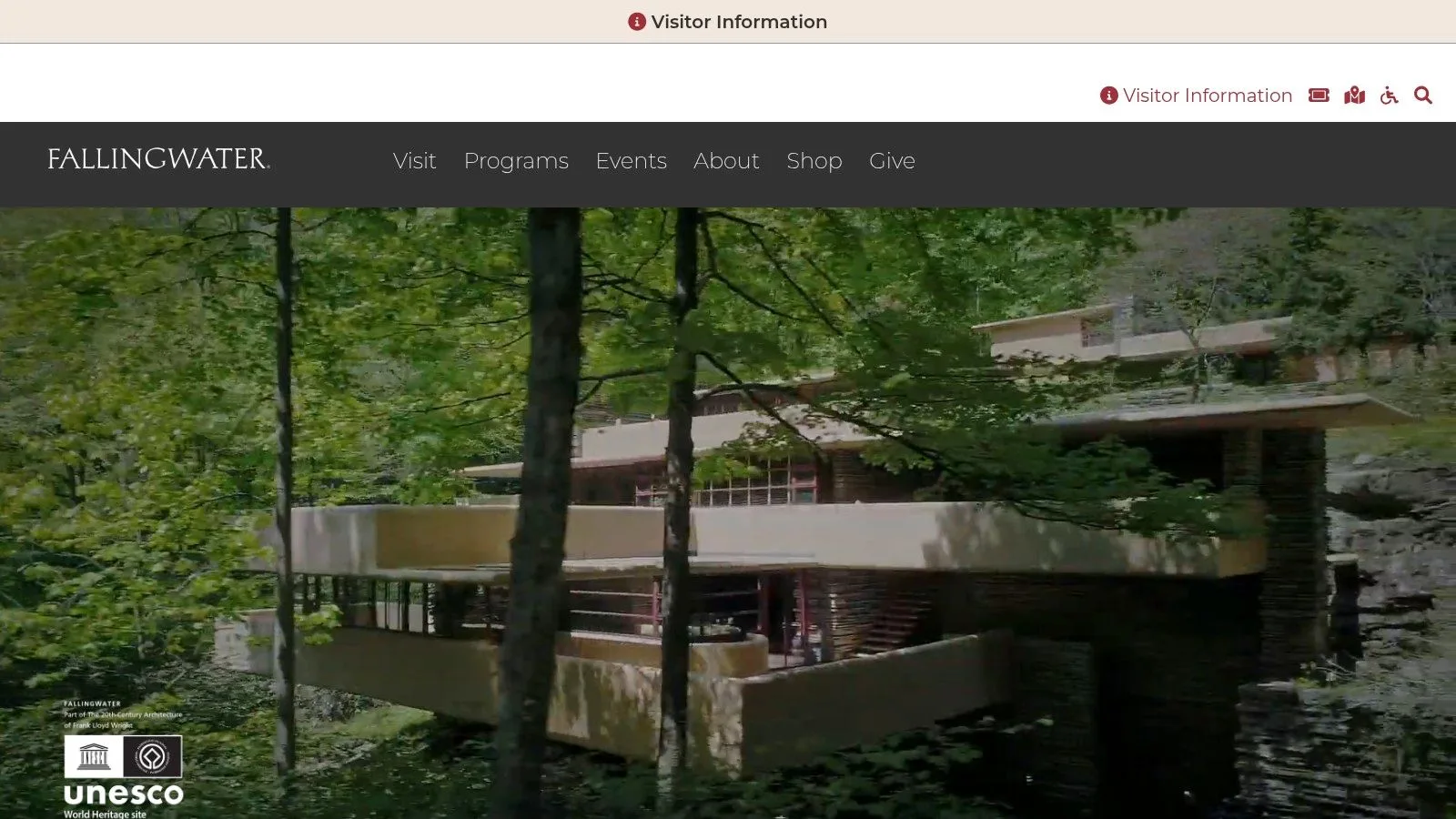
If you want one house that explains why Frank Lloyd Wright still dominates conversations about residential design, start with Fallingwater. Wright's body of work was huge. The Frank Lloyd Wright Foundation says he designed 1,114 architectural works, with 532 realized, across seven decades before his death in 1959 (Frank Lloyd Wright Foundation biography). Fallingwater remains the clearest expression of his belief that a home should belong to its site rather than occupy it.
That lesson travels well to San Miguel. A house on a hillside lot, an edge lot with long views, or a garden-centered compound in a quiet colonia should feel anchored to its land. The best properties don't fight the terrain. They use it.
For visit planning, Fallingwater is also one of the most polished public experiences among famous architects homes. It offers several tour formats, curated interiors, and strong visitor guidance. If you're researching how architecture performs as both a place and a legacy asset, it's a benchmark.
What to learn from Wright
Wright's Prairie Style period, from 1899 to 1910, promoted low horizontal homes, reduced interior walls, and a strong link between building and its natural setting, according to the Frank Lloyd Wright Foundation biography cited above. Those ideas show up powerfully at Fallingwater and still make sense for luxury homes today.
Practical rule: Don't begin your San Miguel project with façade ideas. Begin with the land, the sun, the approach, and the best outdoor room.
A few principles are worth borrowing:
- Build with the site, not against it: Terraces, garden walls, and shaded outdoor transitions usually create more lasting value than forced monumentality.
- Let circulation reveal the property: The most impressive houses don't show everything at once. They unfold.
- Keep indoor and outdoor life connected: That matters in San Miguel's lifestyle-driven market.
If you're approaching a purchase as a foreign buyer, this guide to buying property in Mexico as an American helps translate design ambition into a realistic acquisition plan.
2. The Glass House
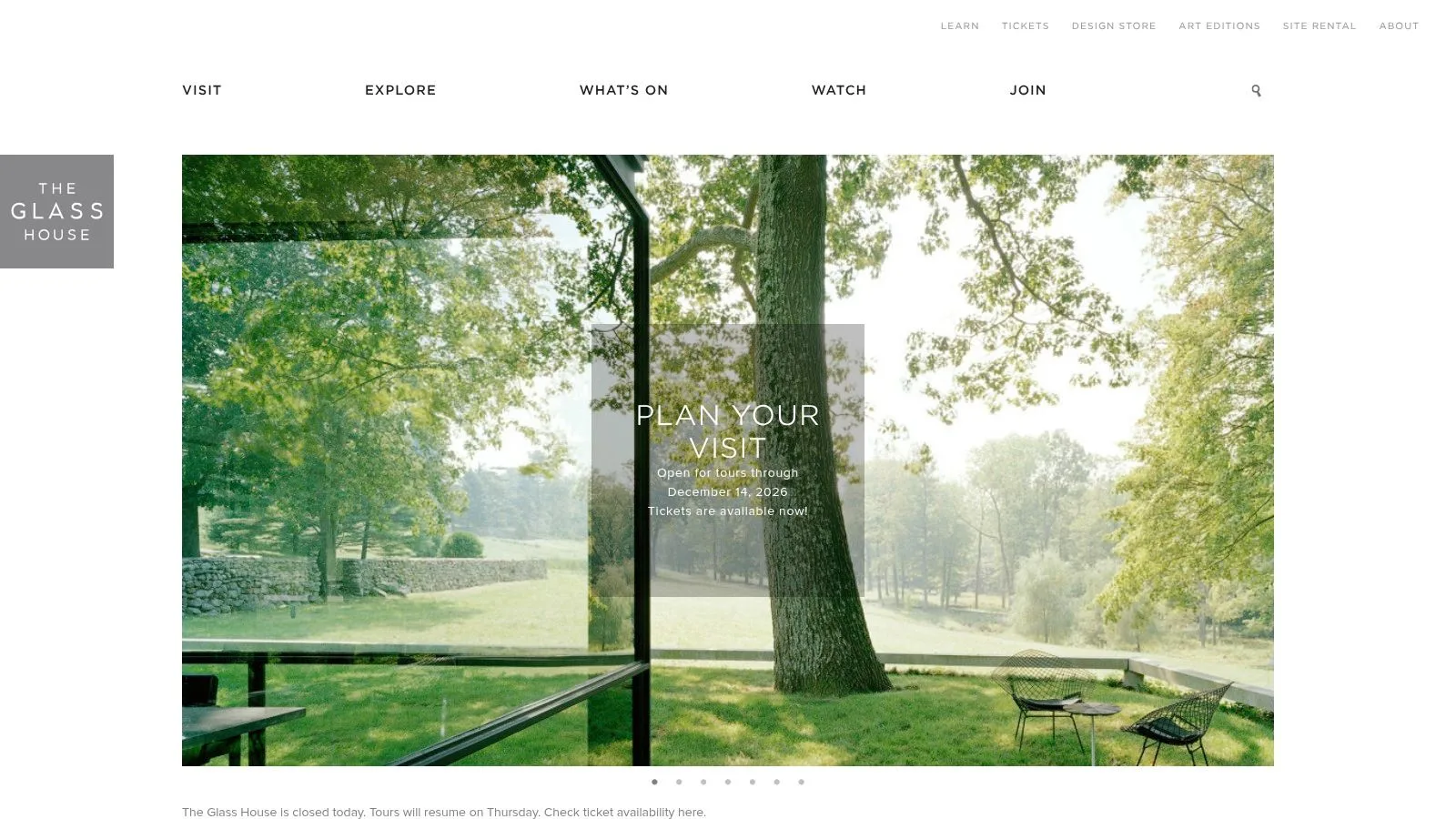
Philip Johnson's Glass House is seductive for a simple reason. It strips architecture down to enclosure, structure, view, and exposure. The house sits within a larger campus experience, and The Glass House handles that experience well with multiple tour formats, digital guides, and clear logistics.
As inspiration, it's powerful. As a model to copy exactly, it's risky.
Transparency sounds luxurious until you start living with heat, privacy concerns, glare, and day-to-day visibility. That tension matters because famous architects homes often present an idea of living as much as a practical one. The broader gap in coverage is whether celebrated designs support comfort, climate fit, privacy, and long-term upkeep in contemporary use, especially when buyers expect indoor-outdoor living and better operating performance (discussion of livability, climate fit, and upkeep in architect-designed homes).
Best takeaway for San Miguel buyers
In San Miguel, the smarter adaptation is controlled transparency. Use large openings where they frame a courtyard, skyline, jacaranda, or distant hillside. Use walls where you need thermal stability and privacy.
Glass should frame value, not erase boundaries.
Here's what Johnson's house teaches well:
- Make the natural surroundings part of the composition: A view should feel edited, not accidental.
- Use restraint: Fewer materials and fewer gestures can create more sophistication.
- Treat privacy as design, not compromise: Courtyards, screens, arcades, and planted edges often outperform all-glass bravado in daily life.
The Glass House is unforgettable because it's radical. The best San Miguel homes tend to be unforgettable because they're radical in a more livable way.
3. Edith Farnsworth House
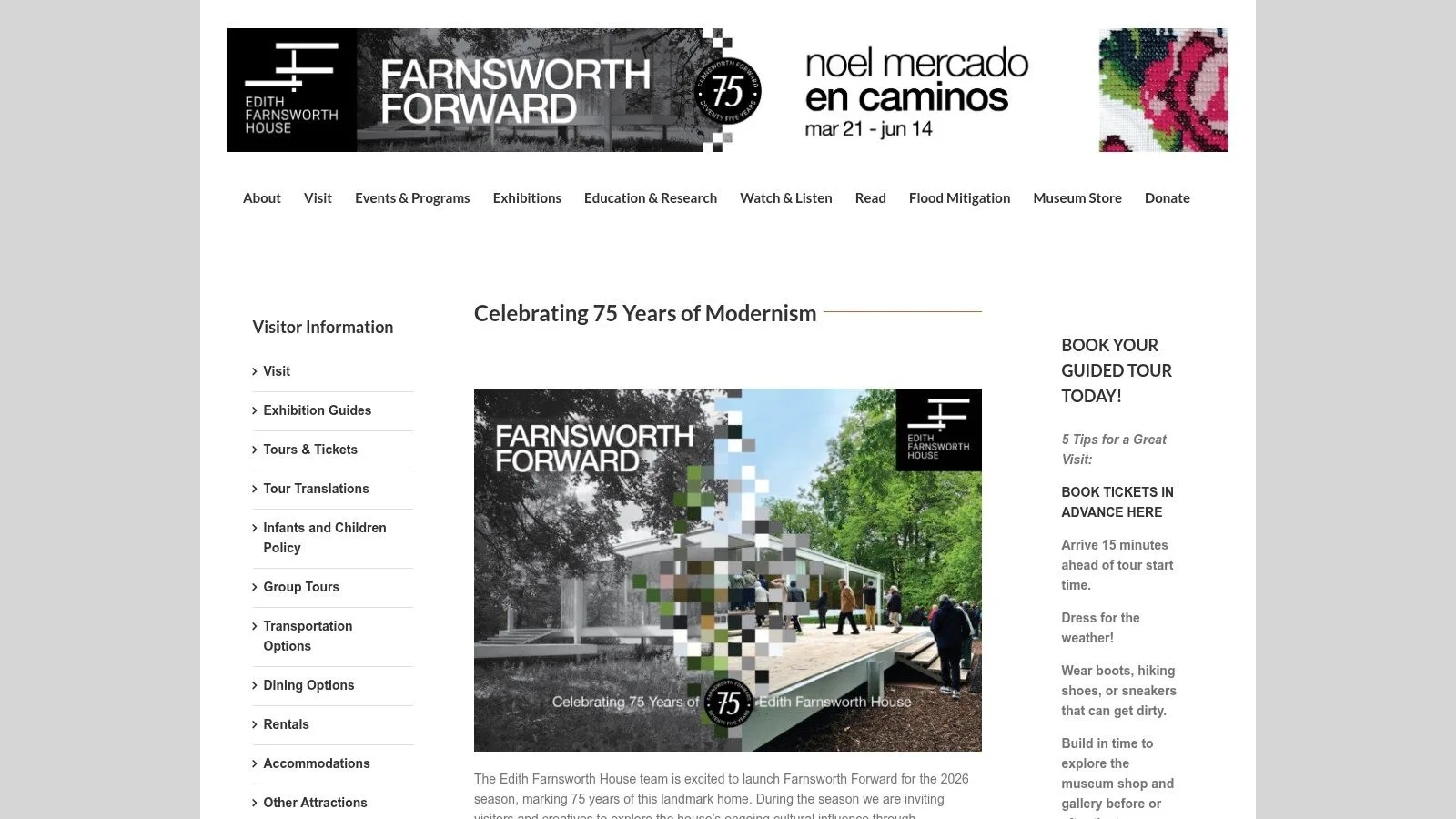
Mies van der Rohe's Edith Farnsworth House is one of the purest exercises in residential minimalism ever built. Steel, glass, proportion, and almost nothing extra. On paper, that sounds easy to love. In person, it's more demanding, which is exactly why it deserves a place on this list.
The house sits on a riverfront site and is managed with preservation discipline, guided tours, and exhibitions through Edith Farnsworth House. It's a good example of how a highly controlled design can remain culturally important even when daily livability becomes part of the debate.
Minimalism isn't just about removing objects. It's about controlling proportions, sight lines, and spatial calm. Most luxury homes fail here because they confuse expense with clarity.
Where minimalism helps and where it doesn't
For a buyer or builder in San Miguel, Farnsworth offers two strong lessons and one caution.
The first lesson is discipline. A house with fewer materials, fewer visual interruptions, and better alignment often feels more expensive than a house with too many decorative moves. The second is precision. When details are simple, every joint, frame, and threshold matters more.
The caution is obvious. Minimalism can become brittle if it ignores climate, storage, maintenance, and comfort.
- Use simplicity to sharpen experience: Calm walls and consistent materials make art, gardens, and light work harder.
- Invest in detailing: In restrained homes, bad execution becomes instantly visible.
- Protect daily function: Owners still need shade, privacy, and practical service spaces.
If you admire Farnsworth, don't copy the image. Copy the discipline.
4. Eames House
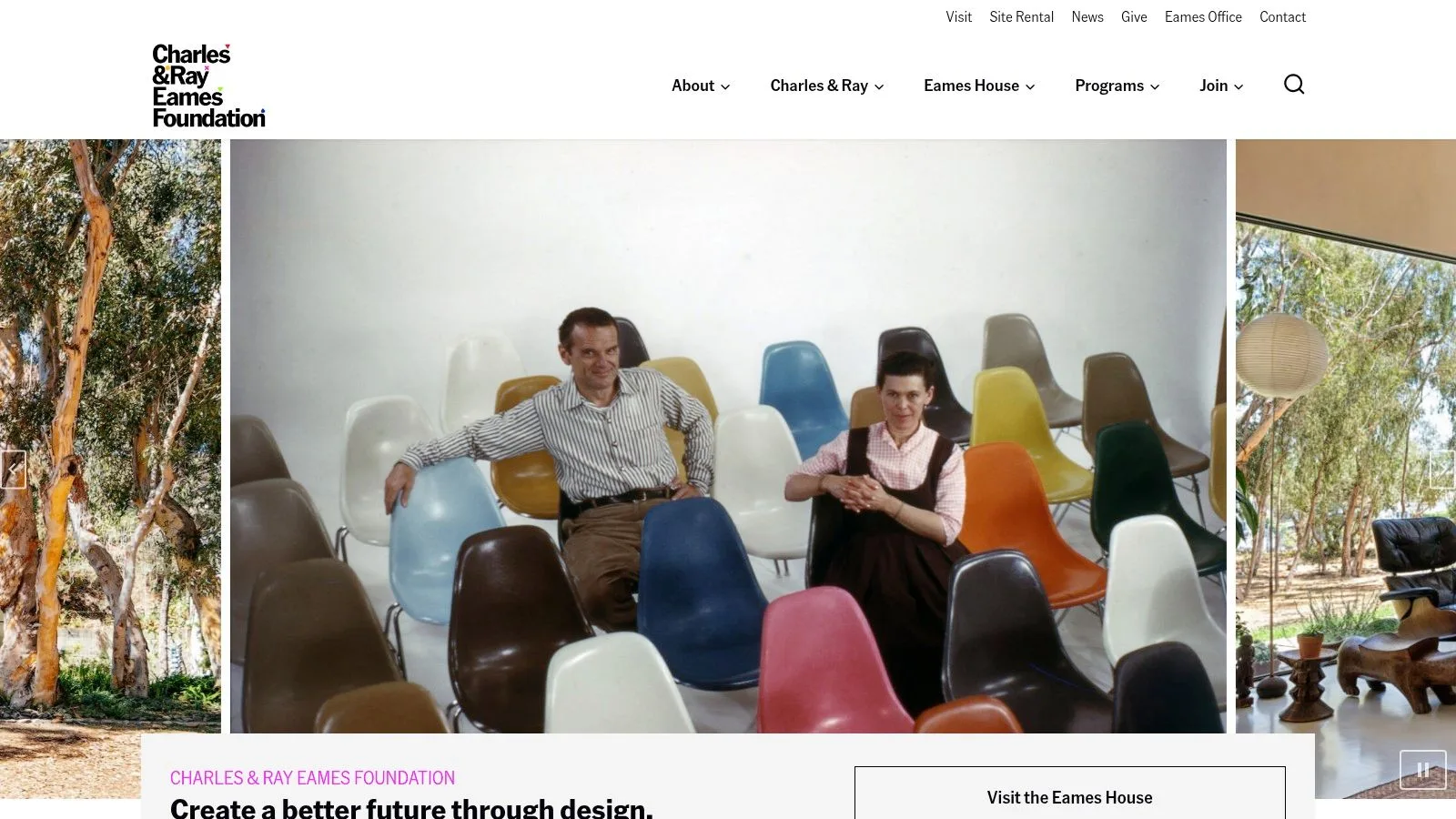
The Eames House feels different from many canonical residences because it's not cold, remote, or ceremonial. It feels inhabited by intelligent people with active lives. That's why it remains one of the most useful famous architects homes for anyone planning a primary residence rather than a design statement.
Its roots matter. The Case Study Houses program ran intermittently from 1945 to 1966 as a postwar experiment in inexpensive, efficient model housing launched by John Entenza through Arts & Architecture (Incollect on the Case Study Houses program). The point wasn't just aesthetics. It was standardization, constructability, and lifestyle efficiency.
You can feel that practical intelligence at the Eames Foundation, where the house and studio are preserved with unusual care.
The smartest lesson here
The Eameses understood that a home can support work, hospitality, collection, and private life without becoming oversized. That matters in San Miguel, where many buyers want a house that performs across seasons, visits from family, creative work, and entertaining.
A great house doesn't just look composed. It supports the way you actually live.
Borrow these ideas:
- Blend life and work thoughtfully: A studio, library, or flexible office can add more real utility than a rarely used formal room.
- Favor adaptable spaces: Rooms that can shift function protect long-term value.
- Curate, don't clutter: The Eames House shows how objects and furnishings can enrich architecture rather than compete with it.
If that balance of livability and identity appeals to you, browsing single-family homes in San Miguel de Allende is a good next step. The strongest properties tend to have this same sense of coherence between architecture and daily use.
5. Casa Luis Barragán
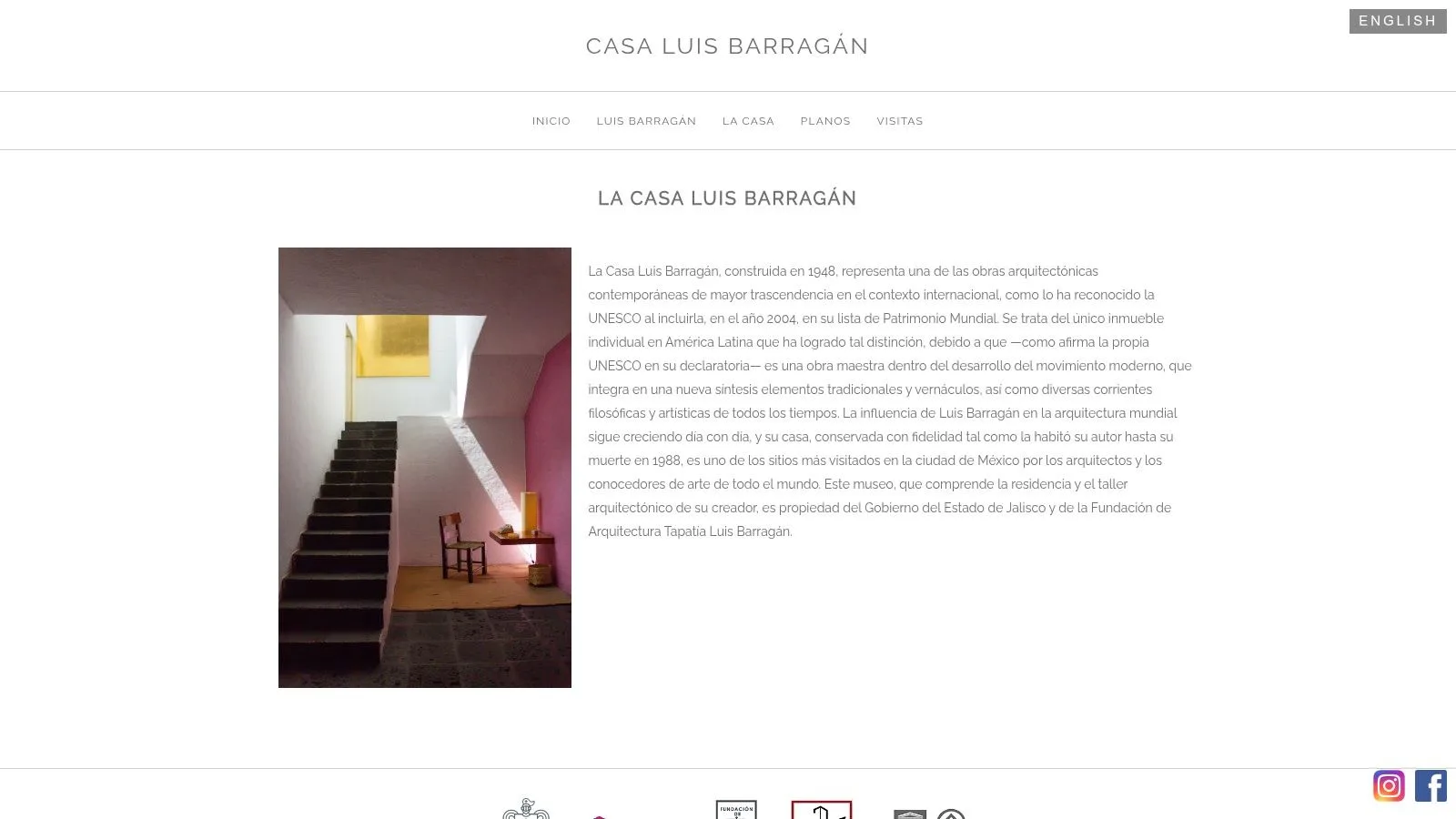
For buyers focused on San Miguel, Casa Luis Barragán may be the most immediately relevant house on this list. Barragán understood something many luxury developers still miss. Drama doesn't require excess. It requires proportion, silence, light, and color used with conviction.
His house and studio in Mexico City remain one of the great lived interiors of modern architecture, and Casa Luis Barragán preserves that experience through highly controlled, conservation-led visits. The intimacy is part of the point. You don't experience the house as a spectacle. You experience it as a sequence.
That sequence matters for design in San Miguel. Courtyards, shadow, thick walls, filtered light, and carefully considered color belong naturally in this region's architectural conversation.
What Barragán gets exactly right
Barragán's greatest strength is emotional control. He knew when to compress a space, when to release it, and when to let color do the work instead of ornament.
For a San Miguel buyer, these are the transferable lessons:
- Use color as architecture: A wall plane can shape mood and memory as effectively as a costly material upgrade.
- Let light arrive indirectly: Soft, controlled light often creates more luxury than fully exposed rooms.
- Create procession: Entry courts, vestibules, stairs, and planted transitions make a house feel considered.
His sensibility also aligns with the city's design culture. If you want to understand how craftsmanship, material richness, and visual atmosphere shape everyday living, this look at artisan design and lifestyle in San Miguel de Allende connects naturally with Barragán's example.
6. Casa Gilardi
Casa Gilardi is Barragán's late work at its most distilled. The color is bolder, the light is more theatrical, and the spatial sequence feels almost cinematic. Yet the house still avoids excess. That restraint is what makes it so effective.
Unlike larger public sites, Casa Gilardi remains intimate and reservation-based, which suits the architecture. You notice the transitions, the surfaces, and the way one room prepares you for the next. The famous pool and dining sequence has become iconic because it turns light reflection, color, and enclosure into a lived event.
If you're building or renovating in San Miguel, this is an important lesson. Luxury isn't only about square footage or imported finishes. It's about what occupants feel moving through the home.
How to borrow this without copying it
Casa Gilardi works because every move has purpose. There's no filler.
That gives you a practical design filter:
- Choose one memorable moment: It could be a courtyard fountain, a double-height stair, a framed church view, or a dramatic dining room.
- Use color selectively: One saturated wall or corridor can carry more power than a whole palette used loosely.
- Design for light at specific times of day: Morning terraces and sunset rooms create daily rituals buyers remember.
The most valuable homes usually have one or two spaces no one forgets.
In San Miguel, that might mean a loggia catching late-afternoon light, a garden wall in mineral color, or a plunge pool aligned with a view. Casa Gilardi proves that emotional impact can come from control, not scale.
7. Villa Savoye
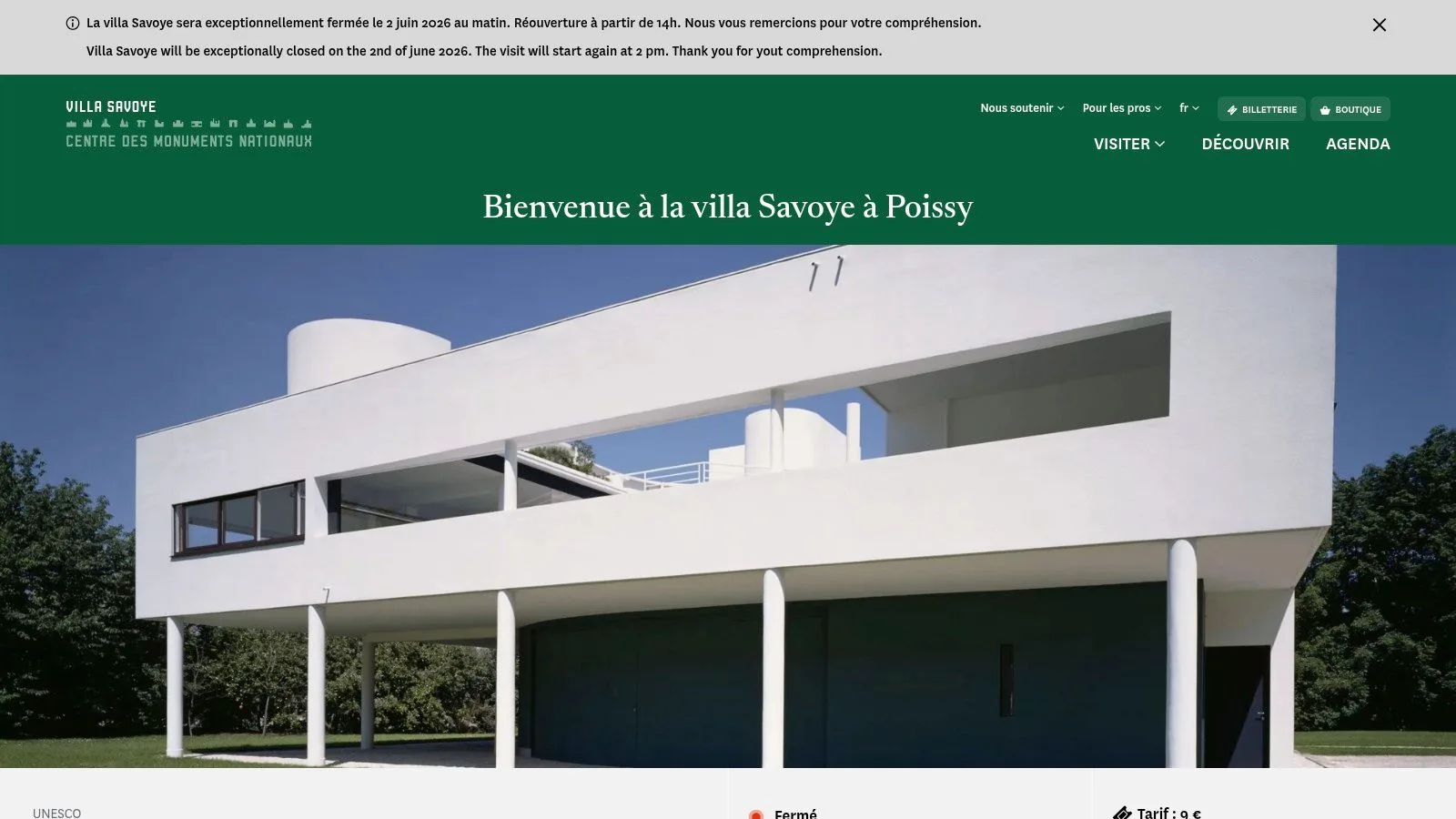
Villa Savoye is the manifesto house on this list. Le Corbusier pushed a clear architectural thesis into residential form, and the result still reads as intellectually sharp. Ramps, pilotis, ribbon windows, roof garden thinking, and geometric control all announce a modern way of living.
As a visit, Villa Savoye is approachable and well organized, which makes it a useful stop for anyone who wants to study modernism at full strength. As inspiration for a luxury buyer, it's less about direct imitation and more about understanding systems.
The house reminds you that architecture becomes stronger when the plan, structure, circulation, and exterior expression all belong to the same idea. That unity is rare in speculative housing and valuable in custom homes.
What to apply carefully
Villa Savoye rewards disciplined thinking. It doesn't reward blind copying.
Use it for these lessons:
- Organize circulation with intent: Ramps, stairs, and arrival sequences can create identity.
- Keep the concept coherent: If the house is about courtyard living, hillside views, or garden privacy, every major decision should support that.
- Treat the roof as usable space when appropriate: Terraces and raised outdoor living areas can be a real asset.
A home with a strong architectural concept often stands apart from generic luxury inventory. For buyers who want that level of distinction, exploring villas in San Miguel de Allende can clarify what already exists in the market and what may be worth creating from scratch.
Comparison of 7 Iconic Architects Homes
| Site | Visitor Access Complexity 🔄 | Booking & Resource Needs ⚡ | Expected Visitor Outcome 📊⭐ | Ideal Use Cases 💡 | Key Advantages ⭐ |
|---|---|---|---|---|---|
| Fallingwater (Frank Lloyd Wright) | Multiple tour formats; stairs and terrain limit some access; seasonal peaks 🔄🔄🔄 | Advance booking essential; premium tours incur fees; cashless on site ⚡⚡ | Deep, expert‑led interpretation of organic architecture; strong photo moments 📊 ⭐⭐⭐⭐ | Architecture enthusiasts, guided‑tour seekers, photographers | UNESCO listing, curated interiors, premium secondary‑space access |
| The Glass House (Philip Johnson) | Seasonal operation with varied tour types; clear shuttle/logistics 🔄🔄 | Transparent pricing and easy online booking; digital guide available ⚡⚡⚡ | Flexible visits from brief exterior to extended campus immersion 📊 ⭐⭐⭐ | Visitors wanting choice of depth; day‑trippers via train | Multiple formats, clear logistics, on‑campus galleries and programs |
| Edith Farnsworth House (Mies van der Rohe) | Limited interior tour capacity; seasonal schedule; limited transit options 🔄🔄🔄 | Small‑group bookings recommended; driving often required from Chicago ⚡⚡ | Intimate minimalist experience with strong curatorial interpretation 📊 ⭐⭐⭐⭐ | Design students, preservation‑focused visitors, small groups | National Trust stewardship, focused exhibitions, intimate tours |
| Eames House (Charles & Ray Eames) | Tight interior access; month‑to‑month exterior slots; no on‑site parking 🔄🔄🔄🔄 | Private interior tours limited and relatively expensive; detailed planning needed ⚡⚡ | Authentic, conservation‑aware insight into mid‑century studio/home 📊 ⭐⭐⭐⭐ | Collectors, conservationists, design historians | Exceptionally intact original objects and studio; conservation coordination |
| Casa Luis Barragán (Luis Barragán) | Highly restricted guided groups (~6); strict visitor rules and rolling releases 🔄🔄🔄🔄 | Tickets sell out quickly; no date/time changes; strict conservation controls ⚡ | Highly curated, immersive experience of color, light and spatial sequence 📊 ⭐⭐⭐⭐⭐ | Serious scholars and enthusiasts seeking an authentic Barragán visit | UNESCO status, preserved lived interior, intense authenticity |
| Casa Gilardi (Luis Barragán) | Mandatory guided reservations with set daily slots; photography limits 🔄🔄🔄 | Reservation required; cash‑only payment on site; limited time windows ⚡⚡ | Intimate, focused viewing of Barragán's late work (pool/dining sequence) 📊 ⭐⭐⭐⭐ | Short visits, Barragán admirers, those seeking small‑group access | Luminous interiors, small‑group preservation of experience |
| Villa Savoye (Le Corbusier) | CMN‑operated year‑round (closed Mondays); consistent visitor info; seasonal variations 🔄🔄 | Affordable entry, multilingual audioguides, public‑transport friendly ⚡⚡⚡ | Educational, accessible introduction to Le Corbusier's manifesto house 📊 ⭐⭐⭐⭐ | Families, students, day‑trippers from Paris | Affordable access, multilingual resources, regular programming |
Bringing Architectural Genius to Your San Miguel Home
You tour a beautiful house in San Miguel. The views are strong, the finishes are expensive, and the photos would look great online. Then you ask the harder question. Does the house have a clear architectural idea, or is it just a collection of attractive parts?
That is the lesson behind famous architects homes. The best of them are disciplined. Wright shows how a house should belong to its site. Johnson and Mies prove that restraint can be more powerful than decoration. The Eames House makes everyday living feel intelligent and warm. Barragán uses light, color, and movement to shape emotion. Le Corbusier builds around a concept and follows it through.
Use that same standard in San Miguel.
A strong property here should do more than look impressive. It should frame courtyards and long views with intention. It should protect privacy without feeling closed off. It should use stone, plaster, wood, and iron in ways that feel honest and lasting. The plan should support the way you live, whether you want a full-time residence, a part-time retreat, a house built for entertaining, or an asset you plan to hold for years.
Design pedigree matters because coherence matters. A home does not need a celebrity architect to stand apart in the market. It needs authorship. Buyers remember houses with a clear point of view. So do future buyers.
That is why San Miguel rewards disciplined design so well. The houses that hold attention here usually get the basics right first. Siting. Shade. Courtyard relationships. Window placement. Proportion. Materials that age well. Rooms that stay calm even when the house is full.
Do not copy Fallingwater or Casa Gilardi. Borrow the principles instead. Place outdoor space where it improves daily life. Use light as a design tool, not an afterthought. Give every major room a reason to exist. Edit hard. A quieter house often feels more luxurious.
If you want help finding a San Miguel property with that kind of architectural potential, Inside San Miguel offers personalized guidance for buyers who care about design, lifestyle, and long-term value. Whether you're searching for a colonial residence, a contemporary villa, or a renovation opportunity with strong bones, the team can help you match your design vision to the right neighborhood and property.